Hiking the Hump Ridge Track was one of the most challenging trails I’ve tackled, but also one of the most rewarding. This 67 kilometre loop delivers an incredible variety of landscapes, from golden beaches and ancient coastal forests to ridgelines with sweeping 360 degree views. As New Zealand’s 11th Great Walk, it offers a true experience in the remote southern area of Fiordland National Park.
To help you prepare for hiking the Hump Ridge Track, I’ve created this guide where you’ll find everything you need to know. Including practical tips, insights, and a glimpse into some of the sights you can expect.
This post may contain affiliate links. Your purchase through these links supports me with a commission, at no added expense to you.
KEY TAKEAWAYS
- This post is your practical, first-hand guide to hiking the Hump Ridge Track – New Zealand’s 11th and most southerly Great Walk. It’s a 3 day, 67 km loop that showcases an incredible mix of coastal beaches, ancient forests, and exposed sub-alpine ridges in remote southern Fiordland.
- It’s ideal if you want a true wilderness feel with fewer crowds than most other Great Walks, plus the bonus of comfortable lodges with hot showers, meals, and even wine.
- You’ll learn exactly how to plan your trip: accurate track stats, transport and parking options, the unique booking process, day-by-day insights, best time to go, weather realities, packing tips, photography advice, and answers to the most common questions people ask before they go

HUMP RIDGE TRACK LOCATION
The Hump Ridge Track is located in the southern part of Fiordland National Park on New Zealand’s South Island, near the small town of Tuatapere in Southland.
BOOKING THE HUMP RIDGE HIKE
Booking the Hump Ridge Track is a little different to the other New Zealand Great Walks. Their booking system is open year-round instead of having a strict annual release date like many DOC managed tracks. You book directly through the Hump Ridge Track website, where they offer a range of packages. As we were hiking the Hump Ridge Track for the first time, we wanted the full unedited experience so we opted for the independent ‘Freedom Walk’ option with multi-share lodge accommodation. But you can also choose guided experiences with extra comforts if you prefer more support.
HOW TO GET TO THE HUMP RIDGE TRACK
The track begins at the Rarakau car park, about a 20 minute drive from Tuatapere.
From major hubs you can expect the following travel times:
- Te Anau and Invercargill: Approximately 1 hour 30 minute drive.
- Queenstown: About 3 hours.
If you’re relying on public transport or shuttles, the Hump Ridge Track office offers transport services. They run shuttles from Tuatapere to the Rarakau trailhead (and back), and can arrange connections from Te Anau, Invercargill, or even Queenstown. It’s best to book these in advance through their website or by contacting them directly.
Parking tips
There is parking available at the Rarakau car park if you have your own vehicle. Otherwise, as this area is geared around the hike, your accommodation in Tuatapere may provide transfers to the trailhead. It’s worth checking with them in the first instance. The official track transport is a convenient, stress-free option, especially if you’re flying into Invercargill or connecting from other South Island spots.

ŌKAKA AND PORT CRAIG LODGES
If you’re familiar with the DOC huts on other Great Walks, you’ll notice a few welcome differences when hiking the Hump Ridge Track.
Because the track uses private lodges (Ōkaka Lodge and Port Craig) rather than standard DOC huts, they are fully licensed. This means you can purchase alcohol on site – from beer to a selection of wines. The lodges also stock freeze-dried meals, hot water bottles for hire, and sleeping bags. Each bed comes with a clean pillow and blanket, adding a nice touch of comfort after a long day on the trail.
These options let you minimise the weight in your pack by purchasing or hiring some gear or food, or both. Keep in mind that supplies are limited and delivered by helicopter, so availability can depend on the weather and demand. As we were hiking the Hump Ridge Track with all of our gear, I’m not entirely sure if you can pre-book specific items in advance so it’s best to enquire directly with the team.
One meal that came highly recommended by other hikers was the famous Tuatapere sausages, potatoes and peas. It was very popular and this you’ll definitely need to book in advance.
As a helicopter is available for lodge servicing days, there are also options for pack transfers or even helicopter assistance on certain days if you want a lighter load. Again, check all the details and availability when you make your booking.

KEY INSIGHTS FOR HIKING THE HUMP RIDGE TRACK
Distance: 67 km | 41.5 miles
Elevation: 1838 meters (total)
Duration: 19 hours
Difficulty: Difficult
Trail Type: Loop
Open: Seasonally
Day One:
Hiking the Hump Ridge Track begins with a leisurely stroll through forest and then along the pristine sands of Te Waewae Bay. As the trail veers inland, you’ll soon find yourself enveloped in lush native bush, with ferns carpeting the ground.
The stairs to Ōkaka Lodge mark the transition to higher elevation, and this part of the hike can be quite challenging, with a climb of over 800 meters. However, as you progress, the surrounding nature only gets better, and it creates a great distraction. Having ventured on many hikes and been surrounded by New Zealand’s stunning landscapes, I can say this experience was on a whole other level. Moss blankets the sides of the trail, and trees draped in greenery make it feel like you’re wandering through an enchanted forest. After making the ascent, hopefully, you’ll be rewarded with incredible ridgeline views. Unfortunately, on our hiking day, thick fog limited visibility to just a few meters and at close to zero degrees, the warm shower at the lodge was a welcome treat.
Day Two:
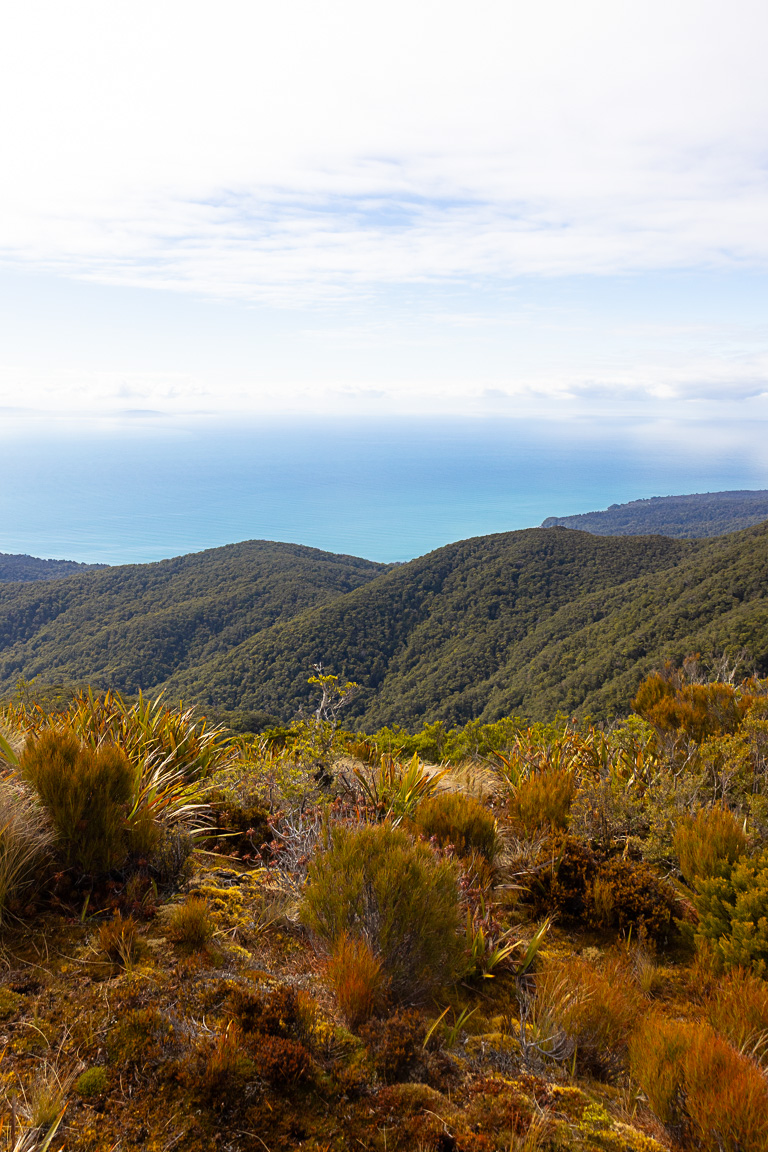
With such high elevation already gained, day two is nothing short of spectacular. Ōkaka Lodge boasts an incredible natural viewpoint overlooking the Tākitimu Mountains, Twinlaw, Woodlawn Hills, among others.
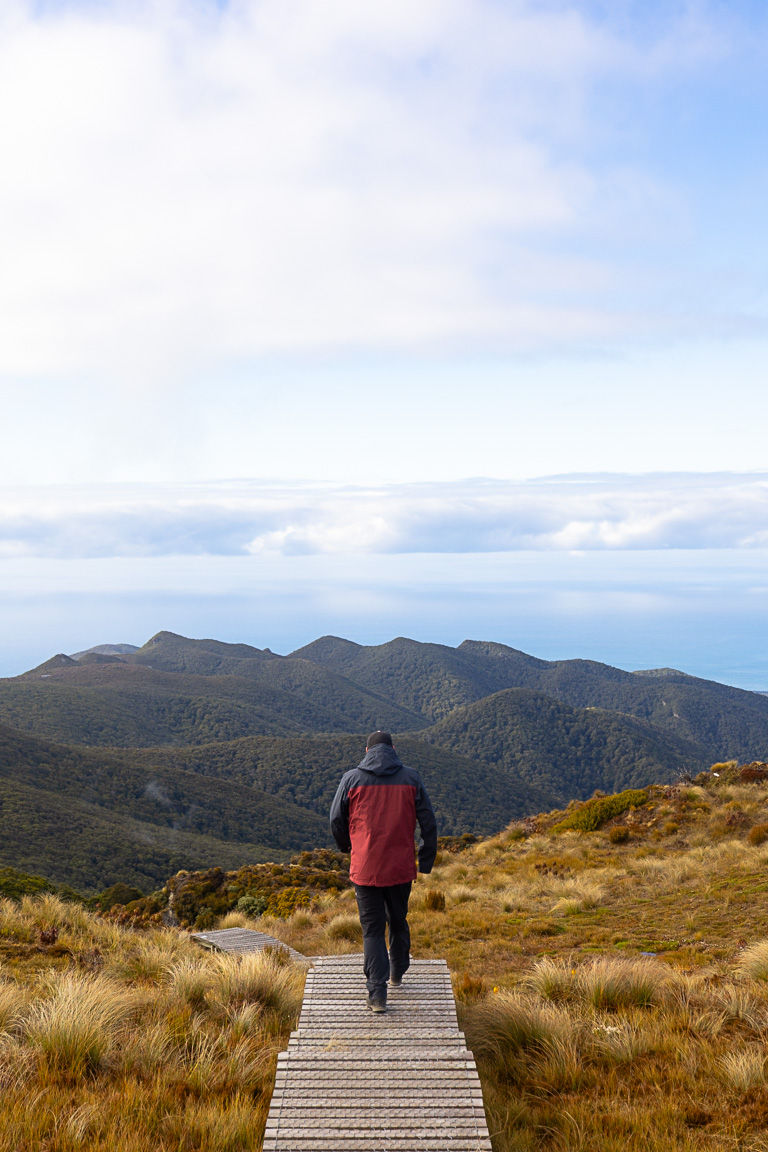
If the weather is on your side, definitely make the effort to walk the extra loop track. You can leave your bags at the lodge or at the junction; just be cautious if you leave them at the junction, as a few cheeky kea are known to sneak into hikers gear. Once back on the official trail, there’s more beautiful forest scenery, followed by more stunning ridgeline views. This is also where most of the descent happens, so expect plenty of stairs. Eventually, you’ll arrive at the old timber-hauling tram line built in the early 1900s. I’ll be honest: this is probably the most tedious part of the hike. While it’s still beautiful, there’s not much to see until you reach Port Craig Lodge, the former sawmilling settlement.
Day Three:
On your final day of hiking the Hump Ridge Track, you’ll follow the South Coast Track through more forest featuring some of the largest rimu trees I’ve ever seen. There’s also plenty of white sand beaches (beware of the mosquitos) and cross swing bridges until you reach the junction from day one. Most of this day is flat, so even though you may feel sore from the previous two days, it’s significantly easier than the earlier parts of the trek.
What stands out the most about hiking the Hump Ridge Track is its remarkable diversity. One moment, you’re strolling along a stunning beach, and the next, you’re standing atop ridgelines with expansive mountain and ocean views. The lodges truly set this track apart too. The fresh pillows, extra blankets and hot showers are added comforts that make the long days much more manageable. And what’s even better is since everyone follows the same route, you’ll encounter the same hikers on the second and third days of your trek.

BEST TIME FOR HIKING THE HUMP RIDGE TRACK
Trying to hit the best time to hike the Hump Ridge trail can be tricky. Being at the bottom of the South Island means that the weather can be really unpredictable, with strong winds, rain, and rapid changes even in summer.
However, you are guaranteed more settled weather in the summer months (December – February). We found shoulder periods like late November or early April can still deliver excellent conditions with fewer people, though you should always prepare for cold, wet weather regardless.
We did this hike early January and had mixed weather. Our first day was really wet but thankfully hiking the forest section made this all the more interesting. Our second and third day were much better. A little windy but we were thankful to see those amazing views that hiking the Hump Ridge Track is known for.
Just make sure for your first and last day that you’re mindful of tide timings, especially for the beach sections. This can greatly influence the experience.

OTHER POSTS YOU MIGHT LIKE
HOW CROWDED IS HIKING THE HUMP RIDGE TRACK
Numbers are deliberately limited on this trail, with lodges accommodating around 40 people per night, so still far quieter than most other Great Walks. On our first day we didn’t come across anyone else heading in the same direction, only those on their way out. So, all in all this walk is very quiet and not crowded, at all.
IS IT SAFE HIKING THE HUMP RIDGE TRACK SOLO
Yes, the Hump Ridge Track is generally safe for solo hikers who have solid fitness, navigation skills, and the right gear. The trail is well-marked, with clear signage, and the lodges provide a communal atmosphere where solo adventurers often connect with others. That said, the remote location, long days, and potential for harsh weather mean you should be confident in your abilities, carry a personal locator beacon (PLB), and inform someone of your plans.
Personally, it’s a trail that I really enjoyed hiking with others. With everything it had to offer, it was a great shared experience.

OTHER PINS YOU MAY LIKE
PHOTOGRAPHING HUMP RIDGE TRACK
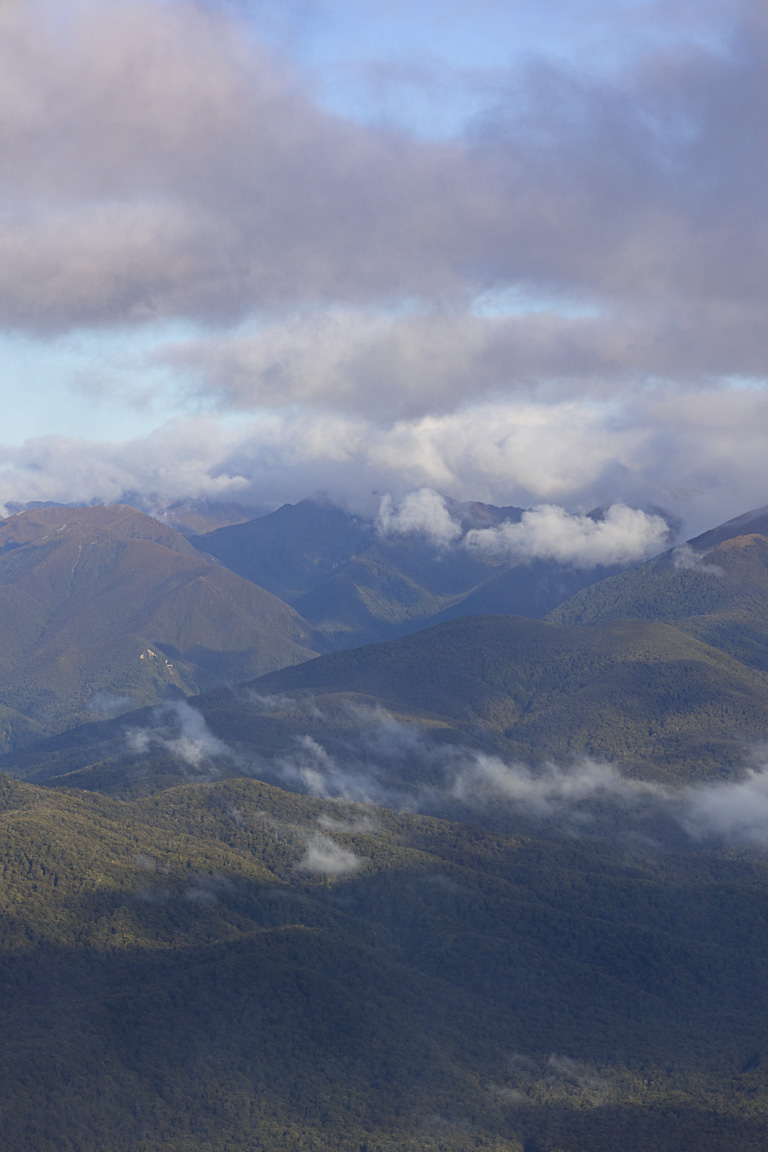
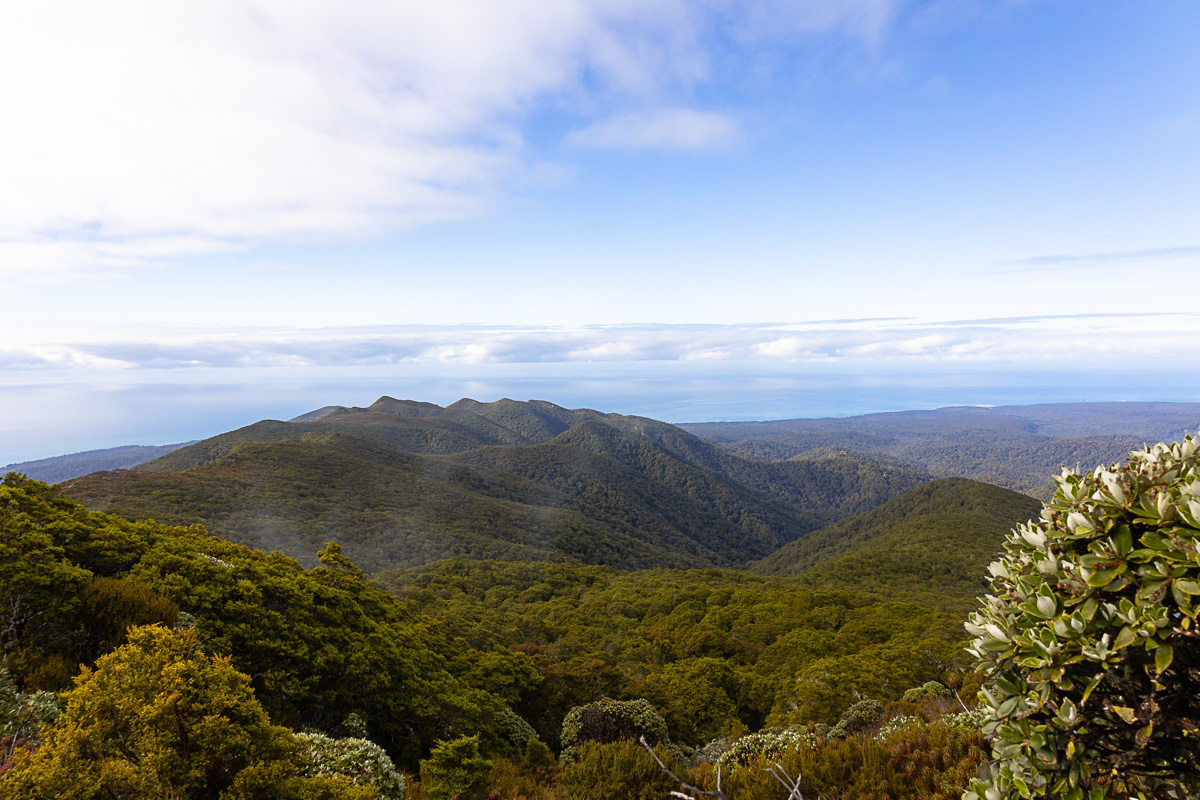
This track is a photographer’s dream thanks to its dramatic landscape shifts. Golden beaches, misty forests with swing bridges, and the expansive 360 degree views from the ridge offer endless opportunities. I found myself (especially on the second and third day) often changing my settings based on the lighting conditions. The first day is pretty consistant with being in the forest with low light.
Best things to remember are your camera clip and weather protection from wind and rain.

CONCLUSION
Hiking the Hump Ridge Track blends the wild South Island coastline, enchanted native forests, dramatic sub-alpine ridges, and those vast ocean and mountain views that make Fiordland so special. As New Zealand’s newest Great Walk, it delivered one of the most varied and rewarding multi-day hikes I’ve done.
If you’re after more walks like this, check out our other New Zealand travel guides for trails, photography spots, and outdoor escapes across the country. To explore all our locations and ideas, head over to our international destination guides.
LIKE THIS POST? PIN IT HERE
FAQs
Do I need to bring all my own food and cooking gear?
No. One of the big advantages of the hiking the Hump Ridge Track is that you can buy freeze-dried meals, snacks, beer, wine, and soft drinks on site. Each morning they provide free porridge for breakfast. They also have gas stoves for you to cook your meals on. You’ll still need lunches and snacks for the trail (or buy extras), but this lets you travel much lighter. The famous Tuatapere sausages, potatoes and peas meal is very popular and must be booked in advance when you reserve your package.
Can I reduce my pack weight?
Yes. Many hikers minimise their load by purchasing or hiring items at the lodges (sleeping bags, hot water bottles, meals). Helicopter pack transfers or lighter-load assistance are available on certain days. Just make sure to book this in, in advance. We carried everything ourselves, but plenty of people go with near day-pack weights by taking advantage of lodge supplies.
How important are tide timings on Day 1 and Day 3?
Quite important for the beach sections. High tide can force you onto inland tracks and rocky areas of the beach instead of the firmer sand, which makes walking slower and less enjoyable. Check tide charts for Te Waewae Bay before you start and aim for lower tide windows if possible.
Are the historic viaducts (like Percy Burn) safe to cross?
The wooden viaducts are impressive heritage features, however they are currently closed due to structural deterioration, as of April 2026. There are bypass tracks available so the track itself remains open. Always check the latest conditions on DOC or the official Hump Ridge Track website.
Will I see kea on the ridge?
We unfortunately didn’t see any Kea on our hike however they are seen around Ōkaka Lodge, and known to investigate (or raid) unattended packs. If you take the optional lookout loop, either carry your bag with you or secure it properly at the junction.
Are there mosquitoes or sandflies?
Yes! The white sand beaches on Day 3 (and sometimes Day 1) can have noticeable mosquitoes, especially at dusk or in still conditions. Bring insect repellent and long sleeves/pants for the coastal sections if you’re sensitive.
Is the track suitable for beginners or only very fit hikers?
It’s graded as a difficult/challenging hike, so not suited for beginners. Day 1 has a big 800+ meter climb with lots of stairs, and Day 2 involves more elevation and descent. Good fitness and hill/stair training make a huge difference in enjoyment. If you’re reasonably fit and prepared for variable weather, most people complete it successfully.
What’s the photography like in different weather?
Excellent but variable. Day 1 is often low-light forest (great for moody shots), while the ridge offers epic 360° views when clear. Fog or rain can create atmospheric images, but wind and sudden changes mean you’ll need extra gear to protect from the weather.
What time do you typically finish on Day 3 and get back to Tuatapere?
Most groups finish the final leg in 5–7 hours and arrive back at the Rarakau car park in the afternoon.
Can I do the track in winter?
No. In the winter this hike is strictly closed. The season with full lodge services runs late October to mid-April.
Top Travel Resources to Plan Your Next Trip
Finding the Best Flights
Skyscanner: A great platform for comparing flight prices across airlines and routes.
Omio: Perfect for comparing not just flights but also trains and buses, especially for European travel.
Booking Your Stay
Hostelworld: Ideal for those specifically looking to budget on their travels and seeking hostels, guesthouses, or shared accommodations.
Booking.com: With a massive selection of hotels, apartments, and unique stays, this platform additionally has deals for frequent travellers.
Trivago: A powerful search engine for comparing hotel prices across multiple booking sites to find the best deals for your stay.
Renting a Car
Europcar: Offers a wide range of vehicles for hire in New Zealand and worldwide, perfect for exploring at your own pace.
AVIS: A trusted car rental service with a variety of vehicles and locations, ideal for seamless travel adventures.
Travel Essentials & Gear
Amazon.com: Your one-stop shop for travel gear, gadgets, packing essentials, and last-minute trip must-haves.
Discovering Amazing Activities
GetYourGuide: My go-to for booking tours, tickets, and activities in New Zealand and worldwide.
Everything New Zealand: A must for anyone traveling to New Zealand. This platform offers a curated selection of tours, activities, and adventures to make your Kiwi trip epic.
G Adventures: For small-group tours with a focus on sustainable and authentic travel, G Adventures is unbeatable.
Capturing Your Memories
MILK Books: Create stunning photo books to preserve your travel memories. Expect high-quality prints and customisable designs.
These links are affiliate links. If you book through them, I earn a small commission at no extra cost to you. Your support helps me keep sharing guides like this. Thanks for helping fuel the next adventure!