If you’re anything like me, the idea of lacing up your boots and solo hiking in New Zealand feels both exhilarating and a tiny bit intimidating. Even though New Zealand’s hiking scene (or “tramping,” as some Kiwis call it) is world-class, there can be an element of nerves.
However, thankfully here in Aotearoa we have everything from easy coastal paths to rugged alpine routes, so choosing one based on what you’re comfortable with is easy.
To make it even more of a breeze, I’ve pulled together this guide based on real experiences. Whether you’re a first-timer or a seasoned tramper, these tips will help you hike confidently and come home with stories (and photos) that last a lifetime.
This post may contain affiliate links. Your purchase through these links supports me with a commission, at no added expense to you.
KEY TAKEAWAYS
- This post is your practical companion for solo hiking in New Zealand. It covers everything from planning and gear to 10 recommended trails, safety, and why going alone can be one of the most rewarding ways to experience Aotearoa.
- New Zealand’s diverse landscapes (coastal, volcanic, alpine, and forest) shine brightest when explored at your own pace. It highlights that with the right preparation, solo tramping is safe, accessible, and confidence-building.
- You’ll learn how to plan like a pro, what gear is truly essential, detailed recommendations for beginner-to-challenging trails, solo-specific safety tips, and honest insights into solo travel across the country (including answers to common questions about solo hiking in New Zealand).

WHY SOLO HIKING IN NEW ZEALAND IS UNFORGETTABLE
New Zealand’s landscapes are ridiculously diverse: think Waitākere Ranges incredible forestry, the volcanic centre of Tongariro National Park, or the scenery found along every coastline.
Solo hiking in New Zealand lets you move at your own pace, stop for as long as you want to soak in these incredible views, and really connect with the environment. Plus, many tracks have well-maintained huts and campsites, making it easier (and more affordable) than you might expect.
The best part? It’s incredibly safe when you do it right. No dangerous wildlife, clear track markers, and a strong tramping culture means solo adventures are common here. And as someone who spends more time solo hiking than with company, I feel like it’s also one of the safest places as a woman.


TIP ONE: PLAN LIKE A PRO
Doing your research in advance and following these simple rules from DOC and the Mountain Safety Council that will ensure your plan is worth the effort:
- Choose the right trip for you: Match the track to your fitness, experience, and gear.
- Understand the weather: New Zealand weather changes fast so make sure to check the forecast obsessively.
- Pack warm clothes and extra food: Even if it’s just a day hike, it’s always best to make sure you pack extras. You never know when you’ll need it if the conditions change or if you end up on the trail longer than you expected.
- Share your plans and take ways to get help: Tell a trusted family member or friend your route, expected return time, and vehicle details. Carry a personal locator beacon (PLB) or satellite communicator (like a Garmin inReach) for extra safety.

TIP TWO: GEAR UP
Solo hiking in New Zealand means being completely self-reliant, so pack smart. Here’s a battle-tested essentials list:
- Sturdy hiking boots or trail runners with good grip (NZ tracks get can get muddy, rocky and everything in between).
- Weatherproof layers: rain and windproof jacket, warm base layers, and hat/gloves. This is essential, even in summer.
- Navigation: Offline maps (I use AllTrails and so far have had no issues), and a charged phone with a power bank.
- Food & water: Extra snacks (nuts, energy bars), water filter or tablets, and at least 2–3 litres per day.
- Emergency kit: First-aid supplies, whistle, headlamp with spare batteries, emergency shelter (like a bivvy bag), and that PLB.
- Sun protection: NZ’s UV is no joke so make sure to include a hat, sunscreen, and sunglasses.
OTHER POSTS YOU MIGHT LIKE
TIP THREE: 10 SOLO-FRIENDLY TRAILS
New Zealand offers an incredible range of tracks perfect for going solo, from quick rewarding day walks to multi-day challenges with DOC huts. Here are some standout options I’ve loved and highly recommend:
1. Snout Loop Track (Nelson/Tasman):
An incredible day walk that you can complete in just a couple of hours with easy terrain. Perfect for beginners introducing themselves to solo hiking in New Zealand and has some of the best views of the Charlotte Sounds.
2. Routeburn Track (Fiordland/Mount Aspiring):
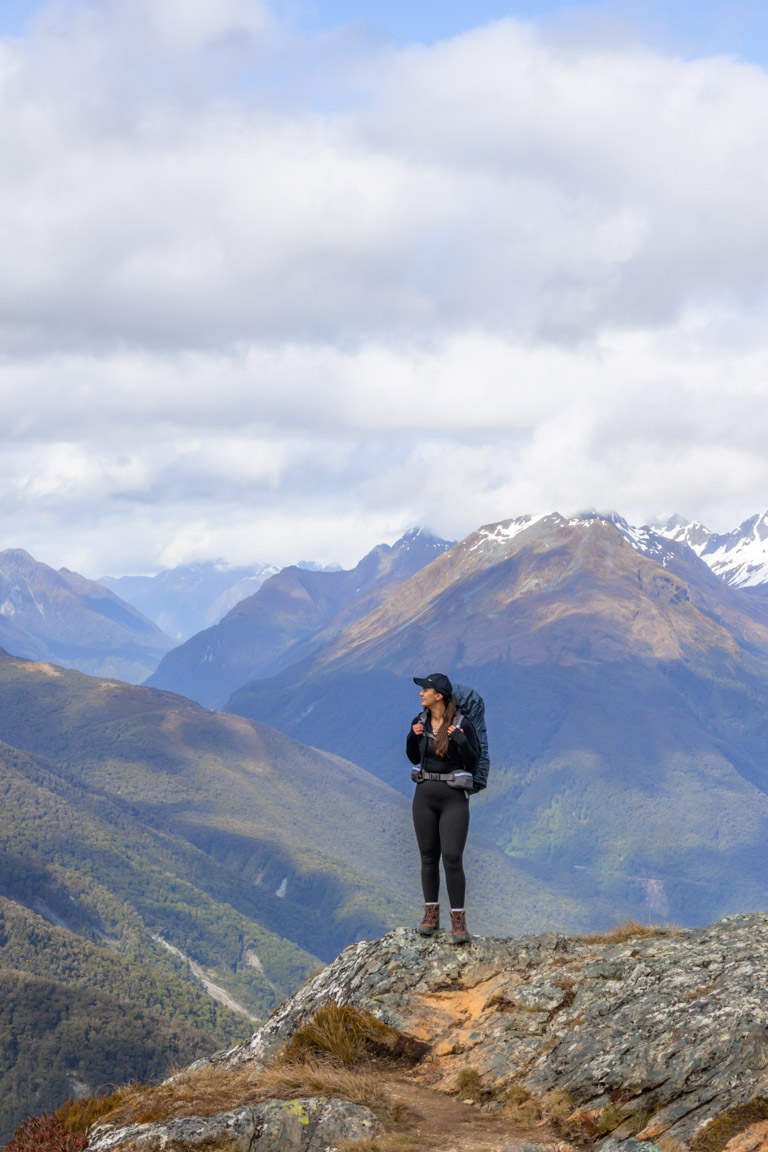
32km across 3 days with alpine ridges, waterfalls, and epic views. One of the most scenic hikes I’ve ever done in New Zealand. You can also do this as a day-hike from Glenorchy if you’re pressed for time.
3. Hump Ridge Track (Fiordland):
This is considered one of the toughest New Zealand Great Walks but it is well worth the 60km+ loop. You’ll experience dense, native forest, dramatic ridgelines, and sweeping ocean views. Expect long days of varied terrain including boardwalks, steps, and sub-alpine sections. This one is best suited to fit, experienced trampers.
4. Cape Brett Track (Northland/Bay of Islands):
A challenging 16–20km (one-way to the lighthouse/hut) coastal adventure through native and regenerating bush, with steep climbs, dramatic cliffs, and drop-offs. Along the way you’ll be rewarded with panoramic views over the Bay of Islands.
5. Dukes Nose (Kairara Rocks) Track (Northland/Whangaroa):
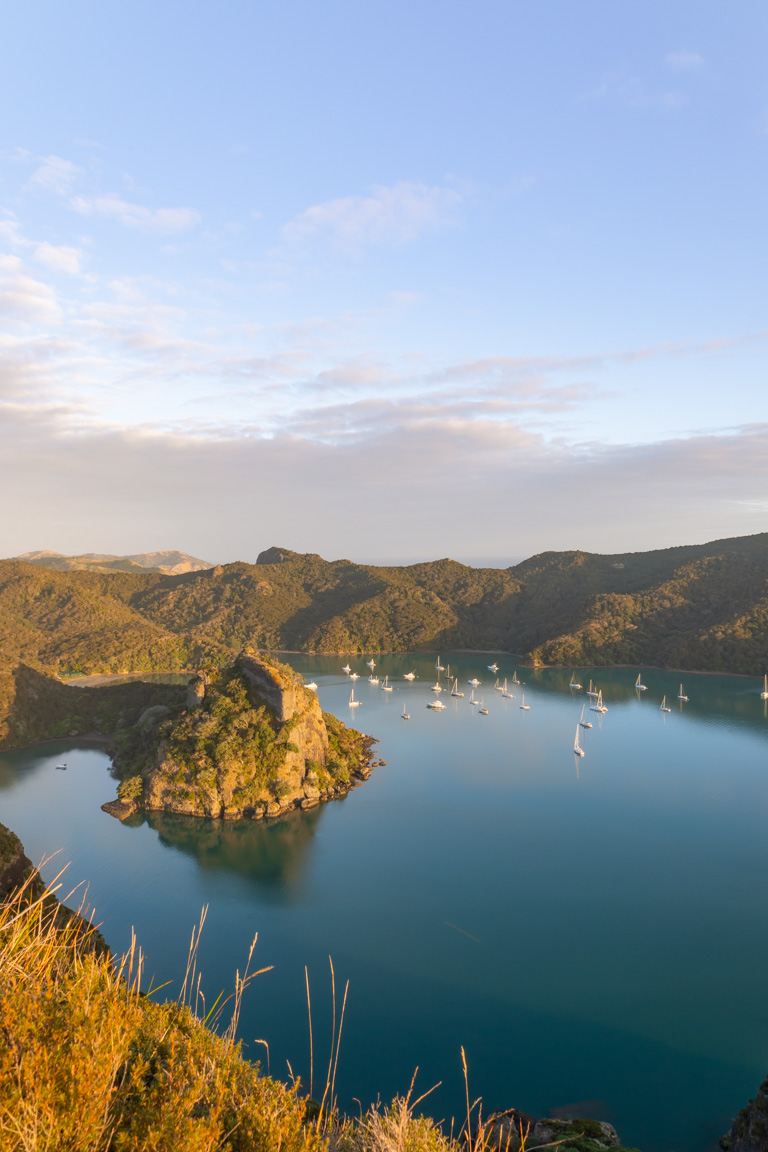
A 5-6 hour hike that delivers some of Northland’s most spectacular lookout views. At the summit you’ll get panoramic 360-degree views of the Waitepipi, Te Were, Pekapeka Bays and beyond.
6. Roys Peak Track (Otago/Wanaka):
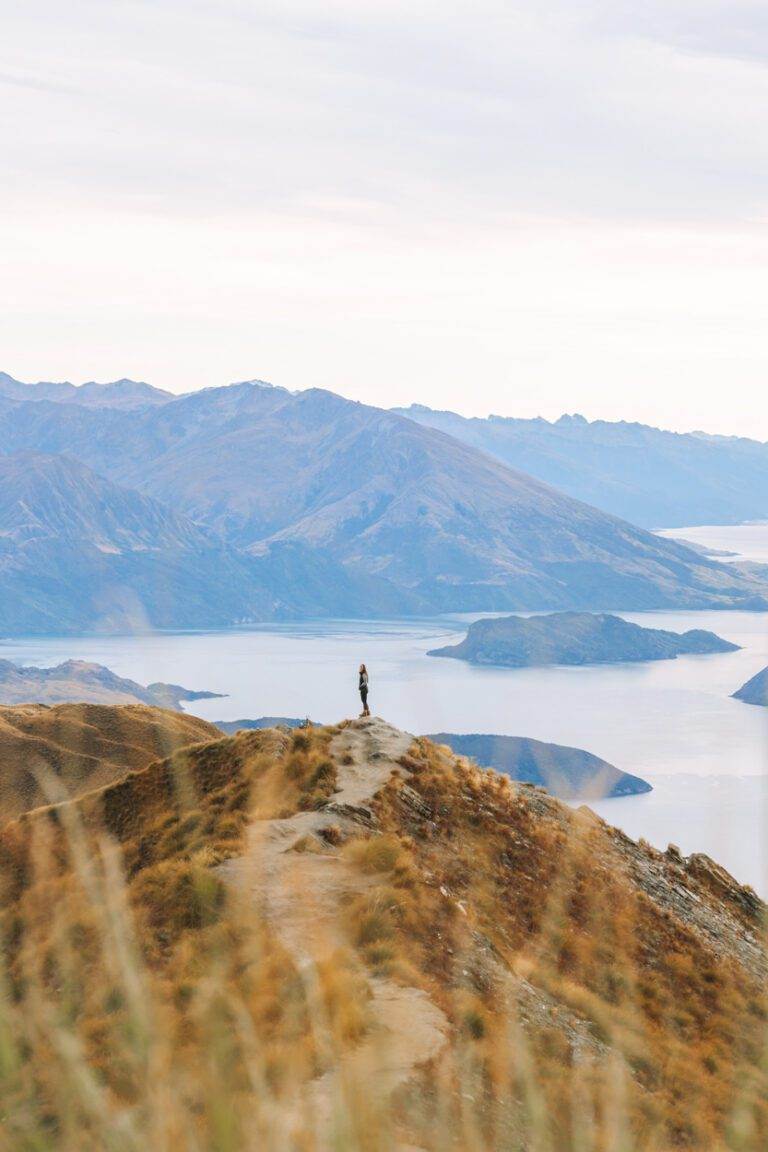
A steep 16km return day hike that tests your lungs but delivers world-class panoramic views over Lake Wanaka, surrounding mountains, and Mt Aspiring. The wide, switchback trail is straightforward but relentless. I’d highly recommend to start early to beat the heat. This is a popular trail so expect company no matter what time of year.
7. Tama Lakes Track (Tongariro National Park):
A solid 17–18km return day hike from Whakapapa Village, winding through beech forest past Taranaki Falls before opening into volcanic terrain with views of Lower Tama Lake, Mt Ruapehu, and Mt Ngauruhoe. Less crowded than the famous Alpine Crossing but equally dramatic.
8. Sealy Tarns Track (Aoraki/Mount Cook National Park):
This steep 5–6km return climb (with around 2,200 steps) leads to beautiful alpine tarns and jaw-dropping views of the Hooker Valley and Aoraki Mount Cook. The effort is absolutely worth it for the views.
9. The Pinnacles (Kauaeranga Kauri Trail, Coromandel):
A rewarding 12–15km return hike (which you can do in a day or stay overnight in the hut) with steep, rocky sections, creek crossings, and a final scramble up ladders to the rocky summit. Expect 360-degree views across the Coromandel Peninsula, forests, and coastline at the top.
10. Pouakai Tarns (Egmont National Park/Taranaki):
A scenic 7–8km one-way (or part of the longer Pouakai Circuit) climb through forest and boardwalks to alpine tarns that famously reflect the perfect cone of Mt Taranaki.
These tracks offer a great mix. From quick, confidence-building day walks to more challenging multi-day tramps with DOC huts for overnight stays. This is only a shortlist of the many excellent options across New Zealand. If you’re interested in more options, I have you covered here.
Make sure to always check current track conditions on the DOC website, book Great Walks or huts well in advance where required, and choose trails that match your fitness level and the weather forecast.
TIP FOUR: SOLO-SPECIFIC SAFETY TIPS (FOR WOMEN OR FIRST-TIMERS)
With solid planning and the right mindset, solo hiking in New Zealand’s backcountry is not only doable, it’s incredibly rewarding. Here are some key solo-specific tips I’ve found helpful, especially for women or those new to tramping:
- Trust your gut: If a situation feels off, turn around. Most tracks are busy enough that you’ll meet friendly trampers, but you’re in charge.
- Wild weather is the real risk: If the weather starts to feel a little off or you aren’t comfortable with the current conditions, there is nothing wrong with turning back. Weather can change in an instant here and safety always comes first.
- Stay visible: Bright clothing and a personal safety device (whistle or PLB) give peace of mind.
- Mental prep: Solo hiking builds incredible confidence. Start small, celebrate every win, and record the journey (if that’s your thing). Many solo female trampers say preparation is 90% of the battle and I’d 100% agree. You’ve got this.
OTHER PINS YOU MAY LIKE
TIP FIVE: SOLO TRAVEL IN NEW ZEALAND
As someone who has travelled a fair amount of New Zealand solo, I can confidently say that it is one of the places I’ve felt safest. Not only hiking but in general, the country has a relaxed, welcoming vibe with low crime rates, and friendly locals who are quick to offer help or a chat.
I am also one of these locals, and am more than happy to help if you have any queries or questions when it comes to travelling this incredible country solo.
That said, the same principles apply as on the trails: share your plans, trust your instincts in towns or remote areas, and use resources for any updates. Whether you’re combining hikes with road trips, campervan rentals, or short flights between islands, solo travel here opens up the freedom to chase sunsets at your own pace or linger over a flat white in a cafe after a big day out. All of the above I highly recommend.

CONCLUSION
Solo hiking in New Zealand delivers exactly what many of us are looking for. Straightforward access to stunning, varied landscapes, the freedom to set your own pace, and that satisfying sense of self-reliance when you finish a track under your own steam.
I hope these five tips have helped you feel more prepared and confident for your own adventures –whether you’re planning your first solo day walk or building up to a multi-day tramp. The key is just to start.
If you’re chasing more like this, check out our other New Zealand travel guides for trails, photography spots, and outdoor escapes across the country. To explore all our locations and ideas, head over to our international destination guides.
LIKE THIS POST? PIN IT HERE
FAQs
Can you hike alone in New Zealand?
Yes, absolutely. Solo hiking in New Zealand is very common and encouraged. Aotearoa has no dangerous wildlife, clear signage, maintained huts on many routes, and a strong hiking culture. Just make sure that you are looking after your own safety by checking the track conditions, weather, sharing your plans, carrying a PLB, and choose tracks that match your experience level.
Is solo hiking worth it?
100% yes. Many trampers say the solitude amplifies everything. From the sounds, to the vast views, and that sense of achievement when you reach a summit or hut alone. It lets you move at your own rhythm, linger as long as you like, and build real confidence. While the initial nerves are real, most people come back saying it’s one of the most rewarding ways to experience New Zealand’s backcountry.
Is it safe to solo hike as a woman?
Yes, New Zealand is widely regarded as one of the safest countries for solo female travellers. The biggest risks are the same for everyone: changing weather, slips, or getting lost. Countless women tramp solo (including myself) and report feeling empowered and respected. Preparation is key: tell someone your plans, carry safety gear, trust your gut, start with busier tracks, and wear bright clothing. Forums and guides from female trampers consistently emphasise that solid planning and common sense make it very safe and incredibly worthwhile.
What if the weather turns bad when hiking solo in New Zealand?
This really depends on the severity of the weather change and the trail you’re on. The main focus is to pick the safest option, even if that means turning back or taking shelter. Make sure to carry a PLB, check forecasts obsessively before and during your trip, and pack warm layers plus an emergency shelter or bivvy bag. It’s always better to cut a hike short than push through risky conditions.
Will I feel lonely or unsafe at night in huts when hiking solo in New Zealand?
Huts often have a community feel where people are friendly but respectful of personal space. Many solo women say they actually feel safer in the backcountry than in some towns or cities. Bring earplugs if light sleeping is an issue, a headlamp for night-time toilet trips, and remember you can always choose busier tracks or campsites if you prefer more people around.
How do I navigate and avoid getting lost?
Firstly, stick to well-marked DOC tracks. I often use an offline maps from AllTrails, and always check track conditions and alerts before setting out. For remote routes, consider a map, compass or satellite communicator.
How do I meet people if I want some company on the trail?
Popular tracks and DOC huts make it easy to chat with fellow trampers without committing to hiking together the whole way. If you want more connection, join short group day tours or stay at busier campsites/hostels between hikes.
What’s the best time of year for solo hiking in New Zealand?
Summer (December–February) offers longer days, warmer temperatures, and more stable weather, making it ideal for beginners and longer tramps. Shoulder seasons (November or March–April) can be quieter with fewer crowds but bring more variable weather. Avoid winter unless you have solid alpine experience and proper gear, as many tracks become hazardous with rain, snow and ice.
Top Travel Resources to Plan Your Next Trip
Finding the Best Flights
Skyscanner: A great platform for comparing flight prices across airlines and routes.
Omio: Perfect for comparing not just flights but also trains and buses, especially for European travel.
Booking Your Stay
Hostelworld: Ideal for those specifically looking to budget on their travels and seeking hostels, guesthouses, or shared accommodations.
Booking.com: With a massive selection of hotels, apartments, and unique stays, this platform additionally has deals for frequent travellers.
Trivago: A powerful search engine for comparing hotel prices across multiple booking sites to find the best deals for your stay.
Renting a Car
Europcar: Offers a wide range of vehicles for hire in New Zealand and worldwide, perfect for exploring at your own pace.
AVIS: A trusted car rental service with a variety of vehicles and locations, ideal for seamless travel adventures.
Travel Essentials & Gear
Amazon.com: Your one-stop shop for travel gear, gadgets, packing essentials, and last-minute trip must-haves.
Discovering Amazing Activities
GetYourGuide: My go-to for booking tours, tickets, and activities in New Zealand and worldwide.
Everything New Zealand: A must for anyone traveling to New Zealand. This platform offers a curated selection of tours, activities, and adventures to make your Kiwi trip epic.
G Adventures: For small-group tours with a focus on sustainable and authentic travel, G Adventures is unbeatable.
Capturing Your Memories
MILK Books: Create stunning photo books to preserve your travel memories. Expect high-quality prints and customisable designs.
These links are affiliate links. If you book through them, I earn a small commission at no extra cost to you. Your support helps me keep sharing guides like this. Thanks for helping fuel the next adventure!
LATEST FROM THE BLOG
A SUMMARY OF SOLO HIKING IN NEW ZEALAND
- Post Overview: Practical, personal guide to solo hiking (tramping) in New Zealand, covering why it’s unforgettable, planning tips, essential gear, top solo-friendly trails, specific safety advice (especially for women and first-timers), and broader solo travel insights. Emphasises preparation, the Land Safety Code, and building confidence through real experiences.
- Key Stats & Focus: Features a mix of easy day walks (e.g., Snout Loop, Roys Peak) and challenging multi-day tracks (e.g., Routeburn, Hump Ridge, Cape Brett). Highlights DOC resources, Great Walks, and the importance of weather awareness, PLBs, and self-reliance. Includes answers to common FAQs like safety for women, and whether solo hiking is worth it.
- Best For: Beginner to intermediate hikers, solo female travellers, first-time visitors to NZ wanting safe yet adventurous outdoor experiences. Ideal for anyone seeking freedom, stunning landscapes (coastal, volcanic, alpine, forest), and practical advice to reduce nerves.
- Core Takeaways: New Zealand is one of the safest places for solo tramping with no dangerous wildlife and excellent track infrastructure. Success comes from matching trails to fitness, obsessive weather checks, proper gear, sharing plans, and trusting your instincts. Solo travel (hiking + general) feels welcoming, affordable, and empowering.
- Practical Elements: Battle-tested gear list, detailed trail descriptions with locations and highlights, solo-specific safety tips, and encouragement to start small. Mentions resources like MetService, DOC.govt.nz, and Mountain Safety Council.