The best time to hike North Island trails depends on so many factors. From weather to timing and conditions, it ultimately comes down to what kind of experience you want.
The landscapes here are varied. We have everything from volcanic craters and coastal cliffs to dense forest and wide-open viewpoints. What ultimately makes a difference is the seasons. The same trail can feel relaxed, demanding, or completely transformed depending on when you go.
I’ve hiked many New Zealand tracks across different seasons, and each one offers something unique.
This short guide breaks down the North Island by season, with weather insights, pros and cons, and trail recommendations I’ve personally explored. By the end, you’ll know exactly when to go for what personally suits you best.
This post may contain affiliate links. Your purchase through these links supports me with a commission, at no added expense to you.
KEY TAKEAWAYS
- A short, practical guide to the best time to hike North Island trails, breaking down each season with weather patterns, pros/cons, and personal insights from hikes across volcanic, coastal, and forest landscapes.
- Perfect for anyone planning a North Island adventure who wants to avoid extreme weather, crowds, or unpredictable conditions – timing can transform a good hike into an unforgettable one.
- You’ll learn how seasons affect trail accessibility, scenery, and comfort; general preparation tips; and answers to common questions to help you choose the ideal time for your fitness level and preferences.
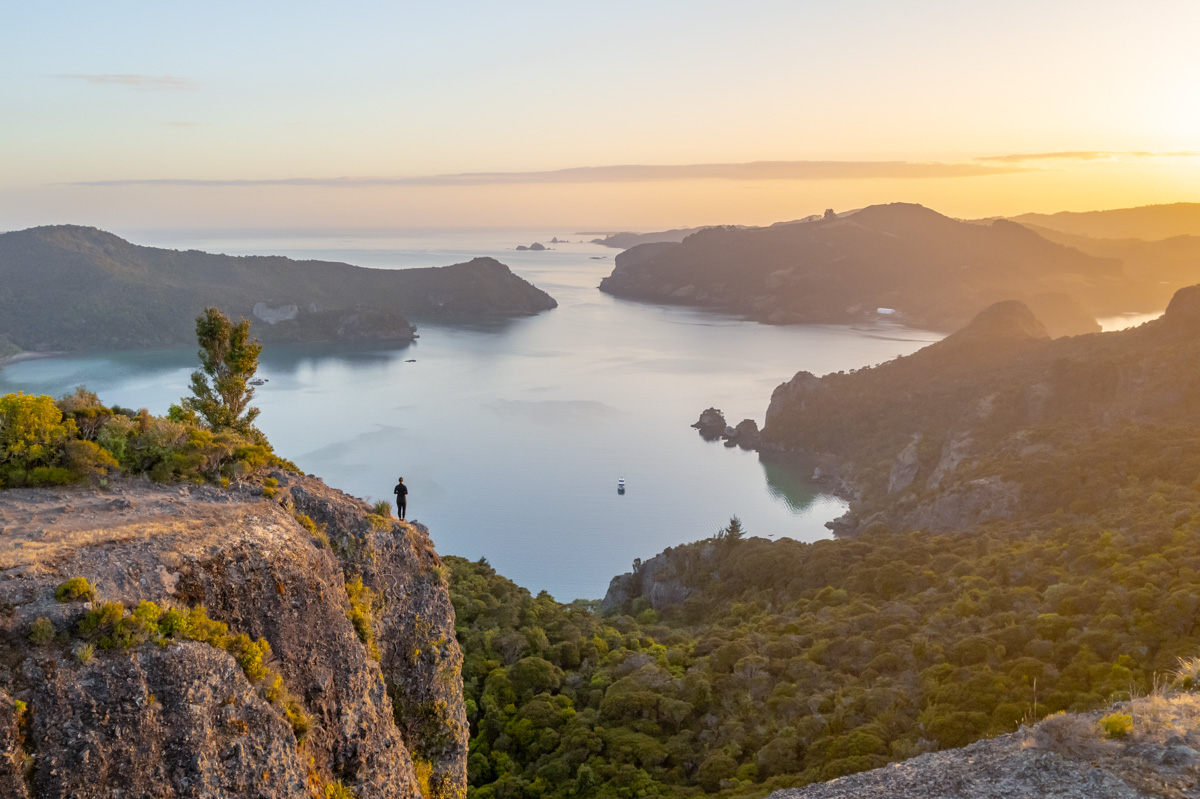
UNDERSTANDING THE NORTH ISLAND CLIMATE
The North Island’s climate is generally mild, but it can also be very unpredictable, especially in the colder months. Compared to the South Island, temperatures are warmer year-round. Snow is uncommon at low elevations, while humidity becomes a bigger factor, especially in summer. Because of this, the best time to hike North Island trails often comes down to comfort rather than extremes.
Summer offers long days and warm conditions. Coastal tracks stay pleasant, while forest and volcanic hikes become more demanding as the day heats up. Sun exposure and dehydration are often bigger challenges rather than the distance (although this also plays a massive factor).
Autumn and Spring strikes the best balance for most hikers. Temperatures feel much more comfortable with much less harsher days and cooler nights. Whereas winter brings cooler air, shorter days, and rain. Frosts are more common inland, and snow can appear at higher elevations. Most lower and coastal tracks often stay accessible with the right preparation.
The biggest constant is how quickly conditions can change. A clear morning doesn’t promise a calm afternoon so checking forecasts and track updates on the day before you hike is essential.
Once you understand these patterns, choosing the right season becomes easier. Match the conditions to your expectations, and the North Island delivers in spades.
OTHER POSTS YOU MIGHT LIKE
BEST TIME TO HIKE NORTH ISLAND BY SEASON
Spring (September to November)
Spring is a classic shoulder season. Trails wake up, waterfalls roar and the crowds haven’t arrived yet.
Why it works
- Mild temperatures
- Lush landscapes, flora and fauna
- Fewer hikers on popular tracks
What to watch
- Changeable weather
- Muddy sections early in the season
- Cooler mornings
Spring is brilliant for photography and quieter hikes. Just make sure to pack layers that are both warm and waterproof.
Summer (December to February)
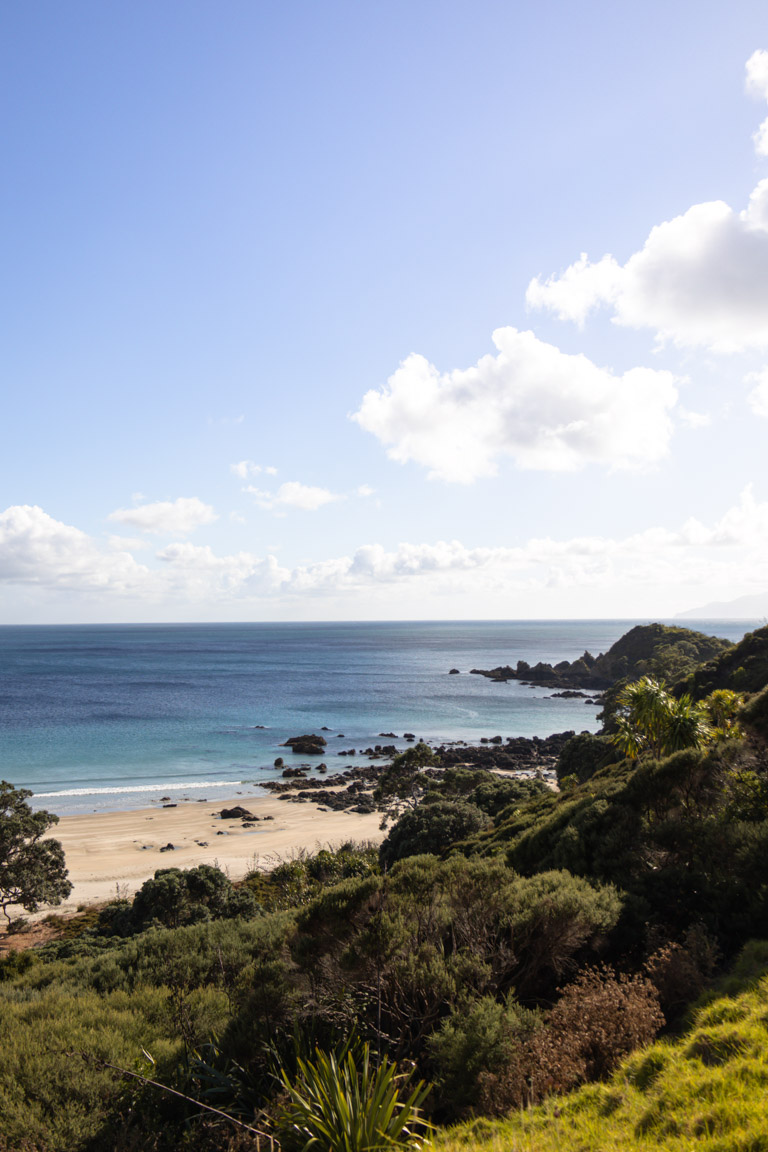
For many hikers, summer feels like the obvious choice. And honestly, it delivers. It’s often considered the best time to hike North Island and honestly, it’s my favourite time to hike. Mainly because the weather is so stable and you’re much more likely to experience those beautiful blue sky days.
Why it works
- Warm temperatures
- Long daylight hours
- Ideal swimming conditions after hikes
What to watch
- Crowded tracks
- Strong UV exposure
- Heat and dehydration risks
My biggest tip for hiking in summer is to start early or late. The sun here is no joke so make sure you’re prepared with sun protection – a hat, sunscreen and a cover up for your shoulders.
Autumn (March to May)
Autumn is a great season to hike the North Island. This is the time when conditions are starting to settle with the weather cooling, and crowds start to thin out.
Why it works
- Consistent weather
- Fewer rain days
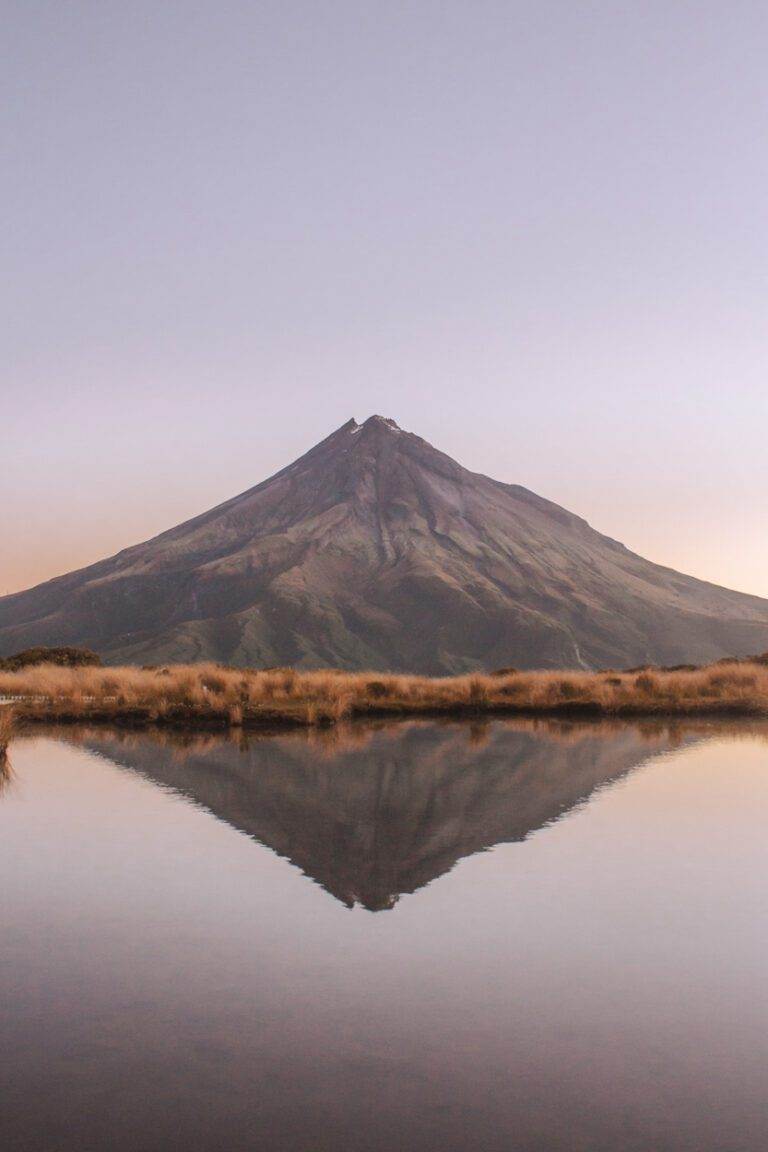
- Incredible reflections and colours
What to watch
- Shorter days later in the season
- Cooler evenings
March is one of the best times to hike as you’re still getting the warm and weather stability from summer but there are minimal crowds. April also hits the sweet spot.
Winter (June to August)
Winter hiking on the North Island is underrated. It’s definitely much colder, yes. But it’s also peaceful and if you catch it on a good day, especially here on the West Coast, you’ll be treated to some of the most amazing orange sunsets.
Why it works
- Empty tracks
- Crisp air
- Snow-capped peaks in volcanic regions
What to watch
- Short daylight hours
- Wet and icy conditions
- Alpine and exposed tracks may be unsafe or closed and it’s highly likely that if they are open, you’ll need a guide.
My biggest tip for the best time to hike North Island if visiting in winter is to always check forecasts and conditions before committing.
GENERAL TIPS FOR HIKING THE NORTH ISLAND
- Pack for rain every time. Even on blue-sky days make sure you have a wind breaker in case.
- Tell someone of your plan, especially on remote tracks.
- Use offline maps and carry a PLB when needed.
- Book huts early during peak seasons, especially in summer and if you plan to hike any of the Great Walks.
- Respect the landscape and stick to marked trails.
- Book shuttles and huts well ahead.
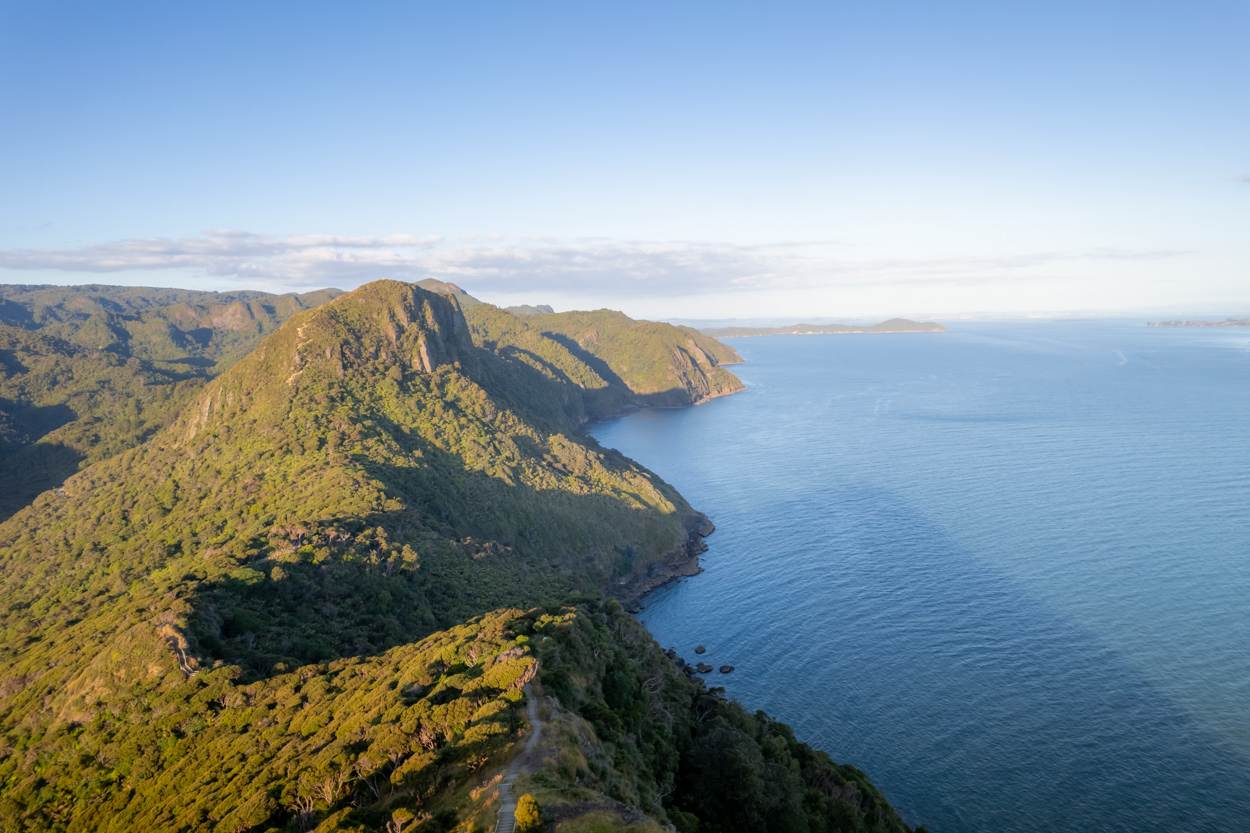
I’ve hiked the same trail in different seasons and it’s true that timing changes everything. When you go matters just as much as where you go.
CONCLUSION
The best time to hike North Island ultimately boils down to the type of experience you’d like to have. I in particular love summer. Even though the trails are busier and it’s much hotter, to be guaranteed those beautiful blue skies makes all the difference for me.
However the North Island’s hiking trails offer incredible diversity year-round – whether you’re chasing blue skies in summer, crowd-free trails in autumn, or crisp off-season adventures, matching the season to your preferences makes all the difference.
For more inspiration as a hiker to Aotearoa, dive into our New Zealand travel guides or otherwise browse our worldwide destinations.
FAQs
What is the best month to hike in New Zealand?
For the North Island, March and April (autumn) offer stable weather, fewer crowds, and comfortable temperatures – often the sweet spot for most hikers. But any time during summer is also amazing, just be prepared for the heat and the crowds.
What is the best time to visit New Zealand North Island?
Summer (December-February) for warm weather and long days, or shoulder seasons (spring/autumn) for milder conditions and fewer tourists.
What months have the best weather in Bay of Islands?
January and February bring the warmest, sunniest conditions with averages around 24°C (75°F) and lower rainfall – ideal for coastal hikes and beach combos.
What is the hardest day hike in New Zealand?
The Tongariro Alpine Crossing is widely regarded as one of the toughest day hikes due to its length (19-20km), steep climbs (including the Devil’s Staircase), volcanic terrain, and exposure to rapid weather changes.
Is the Tongariro Alpine Crossing suitable for beginners?
It’s challenging and requires good fitness; not ideal for complete beginners, but achievable with preparation – expect 6-9 hours and variable conditions.
Can you hike the North Island in winter?
Yes, lower and coastal trails are accessible, but higher volcanic areas may have ice/snow – stick to prepared tracks and make sure to check DOC updates.
How unpredictable is North Island weather for hiking?
Very – especially in the cooler months. Summer is much more stable and you are guaranteed good weather. Just make sure to pack layers and rain gear year-round, as conditions can shift quickly, especially in mountainous areas.
Do I need permits for North Island hikes?
Most day hikes don’t but some, like the Great Walks and Cape Brett require bookings via DOC, especially in peak season.
Top Travel Resources to Plan Your Next Trip
Finding the Best Flights
Skyscanner: A great platform for comparing flight prices across airlines and routes.
Omio: Perfect for comparing not just flights but also trains and buses, especially for European travel.
Booking Your Stay
Hostelworld: Ideal for those specifically looking to budget on their travels and seeking hostels, guesthouses, or shared accommodations.
Booking.com: With a massive selection of hotels, apartments, and unique stays, this platform additionally has deals for frequent travellers.
Trivago: A powerful search engine for comparing hotel prices across multiple booking sites to find the best deals for your stay.
Renting a Car
Europcar: Offers a wide range of vehicles for hire in New Zealand and worldwide, perfect for exploring at your own pace.
AVIS: A trusted car rental service with a variety of vehicles and locations, ideal for seamless travel adventures.
Travel Essentials & Gear
Amazon.com: Your one-stop shop for travel gear, gadgets, packing essentials, and last-minute trip must-haves.
Discovering Amazing Activities
GetYourGuide: My go-to for booking tours, tickets, and activities in New Zealand and worldwide.
Everything New Zealand: A must for anyone traveling to New Zealand. This platform offers a curated selection of tours, activities, and adventures to make your Kiwi trip epic.
G Adventures: For small-group tours with a focus on sustainable and authentic travel, G Adventures is unbeatable.
Capturing Your Memories
MILK Books: Create stunning photo books to preserve your travel memories. Expect high-quality prints and customisable designs.
These links are affiliate links. If you book through them, I earn a small commission at no extra cost to you. Your support helps me keep sharing guides like this. Thanks for helping fuel the next adventure!
LATEST FROM THE BLOG
OTHER PINS YOU MIGHT LIKE
A QUICK SUMMARY: BEST TIME TO HIKE NORTH ISLAND
Overall Best Season: Autumn (March-May) – stable weather, fewer crowds, golden colours and reflections.
Warmest & Longest Days: Summer (Dec-Feb) – ideal for coastal hikes, swimming, and vibrant scenery.
Quietest Trails: Winter (Jun-Aug) – crisp air, solitude, but prepare for rain and shorter days.
Blooming & Mild: Spring (Sep-Nov) – wildflowers, waterfalls, shoulder-season deals.
Top Weather Factors: Always pack layers/rain gear; check DOC for alerts; UV is intense year-round.
Crowd Levels: Peak in summer; lowest in winter.
Accessibility: Most trails open year-round, but alpine/volcanic sections riskier in winter.
Planning Essentials: Book shuttles/huts early in summer; use MetService for forecasts.