New Zealand for first timers feels like stepping onto another planet – volcanoes, hobbit holes, and flat whites that ruin coffee everywhere else.
I grew up here in Aotearoa and have planned countless trips, so trust me: there are a few things you absolutely need to know before you land.
This is your no-BS pre-flight cheat sheet. Entry rules, packing that actually works, culture hacks so you don’t accidentally offend one of the aunties, plus the classic traps visitors can fall into.
(Still on the fence? My 12 Reasons to Put New Zealand on Your Bucket List will sort that out fast.)
Let’s make your trip epic instead of expensive or exhausting. Ready? Let’s get into it.
This post may contain affiliate links. Your purchase through these links supports me with a commission, at no added expense to you.
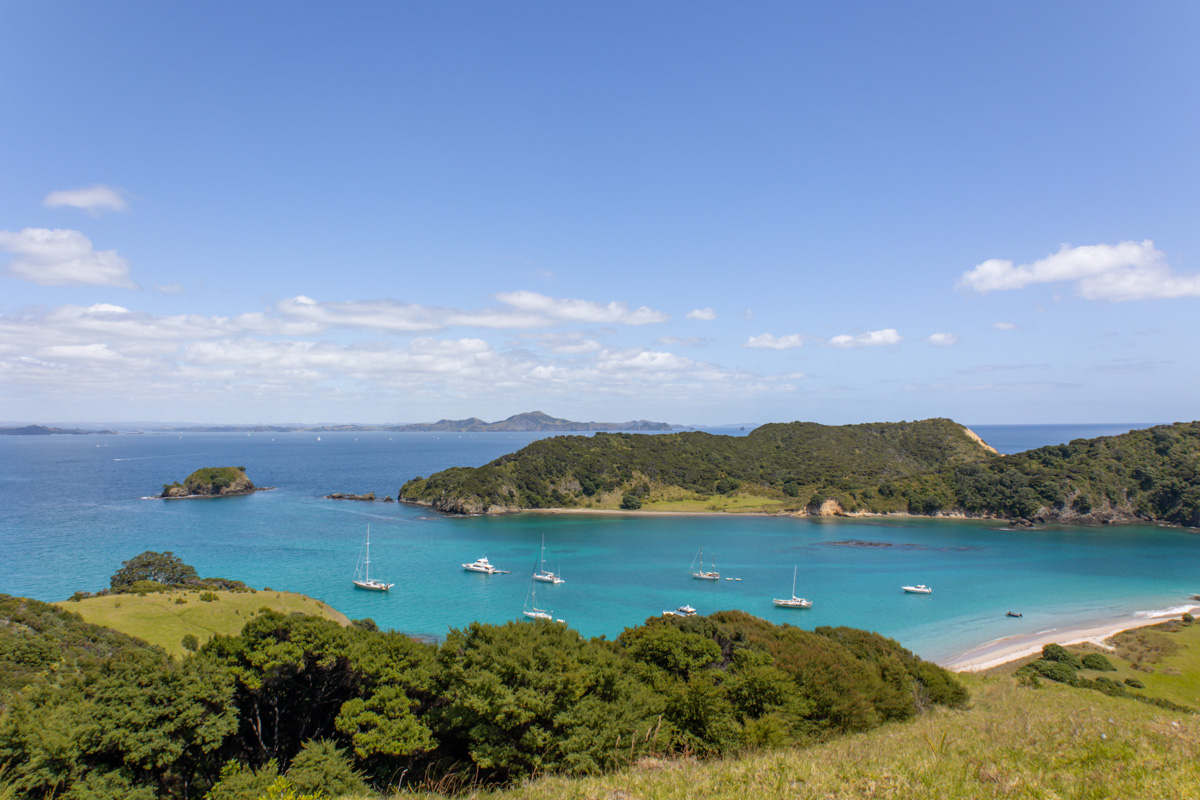
KEY TAKEAWAYS:
- New Zealand for first timers requires advance preparation on visas, biosecurity rules and travel insurance to avoid costly surprises on arrival.
- Choosing the right arrival airport, mastering left-side driving (or domestic flights) and realistic travel times keeps your journey smooth and stress-free.
- Smart packing, understanding our unpredictable weather and left-side roads make or break your daily adventures in Aotearoa.
- A little cultural awareness – from basic greetings to Māori etiquette and Leave No Trace principles unlocks the warmest Kiwi welcome.
- Planning the right pace, booking ahead in peak season and building in rest days turns a good trip into an unforgettable one.
PINS YOU MIGHT LIKE
VISA, ENTRY & THE SCARY BIOSECURITY LINE
The real start to New Zealand for first timers? Paperwork and patience.
Most visitors need an NZeTA (New Zealand Electronic Travel Authority). It costs from NZ$17 and takes about ten minutes online. Make sure to apply at least 72 hours before flying so you’re not anxiously refreshing your email at the gate. For all the information and to apply, you can visit the NZeTA website here. Also make sure to check your passport – it must be valid six months past your departure date.
Then there’s biosecurity, and listen: it’s not dramatic to say New Zealand takes this personally. That stray banana? That muddy hiking boot? That unopened granola bar? Declare it. They’re not joking – fines are instant and unforgiving. Also before arriving in Aotearoa, you’ll need to fill out the New Zealand Traveller Declaration (NZTD) form. Essentially it’s declaring what you’re bringing into the country, specifically for customs and biosecurity. You can complete your digital declaration on the government website or on the NZTA app within 24 hours of starting your trip in New Zealand.
And lastly, travel insurance? Yes. Absolutely. End of discussion.
GETTING TO NEW ZEALAND
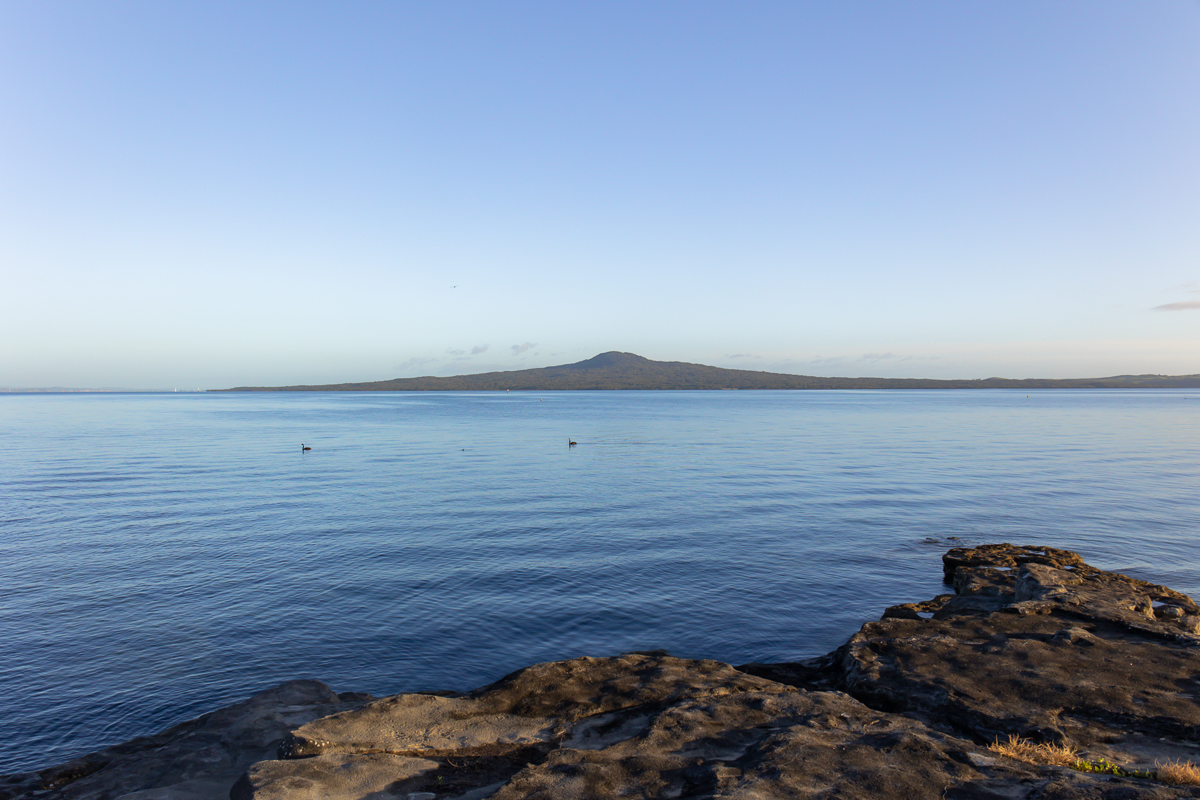
There are a handful of international airports in Aotearoa, with Auckland being the main one, followed by Christchurch, Wellington, and Queenstown. Where you choose to land depends entirely on the trip style you’re planning.
Auckland is where you’ll fly if you want vibrant energy, sprawling suburbs, beaches, and a skyline dotted with dormant volcanoes. It’s also the gateway to Northland, the birthplace of our history and home to many, beautiful beaches. From here, it’s also a manageable drive to places like the Coromandel, Rotorua, or Taupō. If you want the North Island’s greatest hits without too much juggling, Auckland is a safe choice.
Christchurch sits on the South Island and is perfect if you want to dive straight into mountains, glaciers, and fiords. The vibe here is relaxed but outdoorsy. Within a few hours drive, you can hit Aoraki/Mount Cook National Park, the stunning lakes of Tekapo and Pukaki, or for a slower-paced first stop, point the car toward Hanmer Springs.
Wellington, the capital, is compact, creative, windy (always windy), and a dream for food lovers. Think craft beer, museums, film culture, and a harbour that looks good even when it’s moody. Wellington is also the gateway to the iconic Cook Strait ferry crossing to the South Island. If you want a city break with political energy, art, and good coffee and you plan to explore both islands – Wellington makes sense.
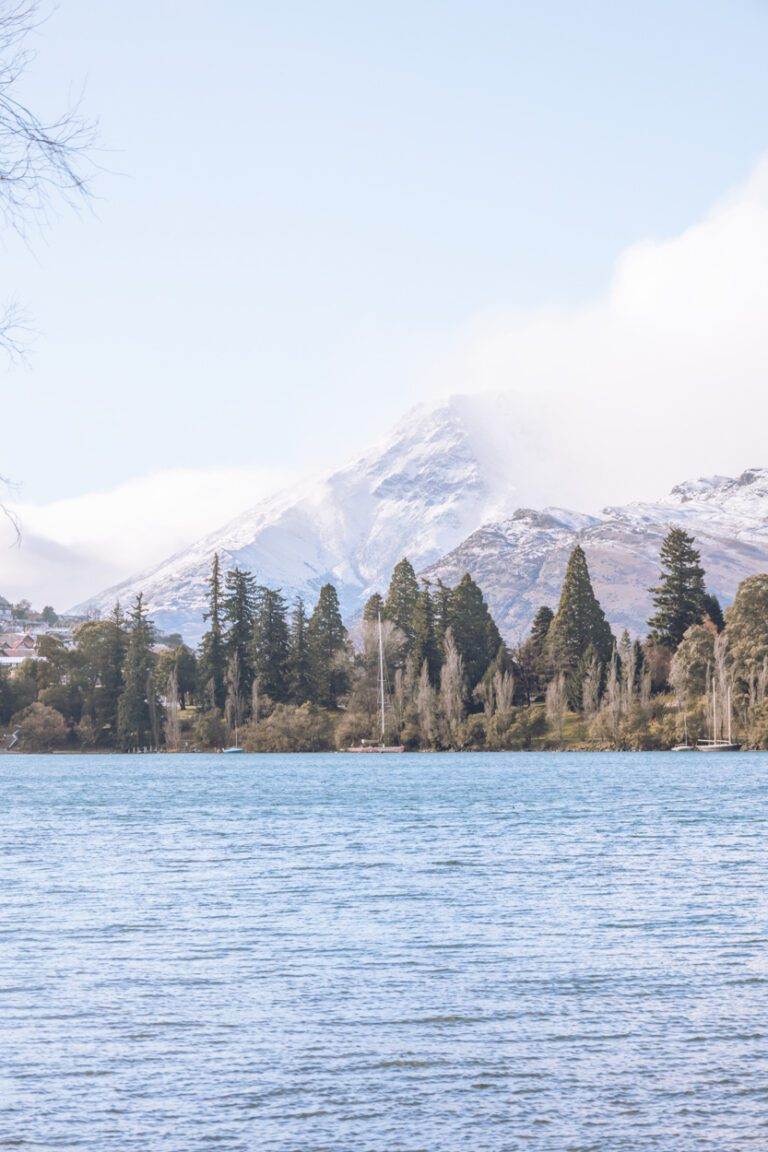
Then there’s Queenstown, which is an entrance into a postcard. Even flying into this mountain town is glorious. If your New Zealand for first timers experience is all about adventure, snow, hiking, or wine tasting, Queenstown is unbeatable. You’ll be close to Milford Sound, Glenorchy, Wanaka, and the Southern Alps. Just know: it’s stunning, but also one of the most expensive regions in the country.

GETTING AROUND NEW ZEALAND
In terms of getting around New Zealand as a first timer, you’ve got a few options depending on your travel style.
The easiest and most flexible is renting a car or campervan. I can highly recommend Avis. When visiting the South I’ve rented from them a few times. Outside and between main cities, public transport can be helpful, but not so much if you’re wanting to explore further afield like beaches, hikes, or any of the hidden gems.
If you’d rather skip long drive times, New Zealand has a great domestic flight network. Air New Zealand and Jetstar cover most cities, and flights between major hubs rarely take more than an hour or two. Just make sure to book early to avoid painful pricing and double-check baggage limits, especially if you’re carrying camera gear or hiking equipment.
Jet lag hits hard if you’re coming from the US or Europe, so plan your first day gently: a flat white, a coastal walk, or gentle exploring.
If you’re driving for the first time here, keep these in mind:
- Drive on the left.
- Roads are beautiful but they can be twisty.
- Google Maps is optimistic. Add 20% to travel times.
- Sheep and cows, may join the road without warning.
- You’ll come across one-lane bridges. Make sure to pay attention as to who needs to give way.
OTHER POSTS YOU MIGHT LIKE
WHERE TO SLEEP
New Zealand for first timers can feel overwhelming when it comes to choosing where to stay, but there’s accommodation for every budget and travel style. You’ll find hostels, motels, holiday parks, campgrounds, glamping, and DOC huts. Holiday parks are everywhere (search TOP 10 Holiday Parks + destination), and they’re perfect for campervans or families.
For booking, Hostelworld is great if you’re travelling solo and want to meet people or save some cash. Airbnb and Booking.com offer everything from a standard three bedroom house, to boutique apartments and quirky tiny homes. If you’re planning to camp or stay in huts, head to the DOC website, or download the Rankers and CamperMate apps – they list everything from free campsites to privately owned grounds with facilities like showers, laundry, and shared kitchens.
PACK FOR NEW ZEALAND WEATHER
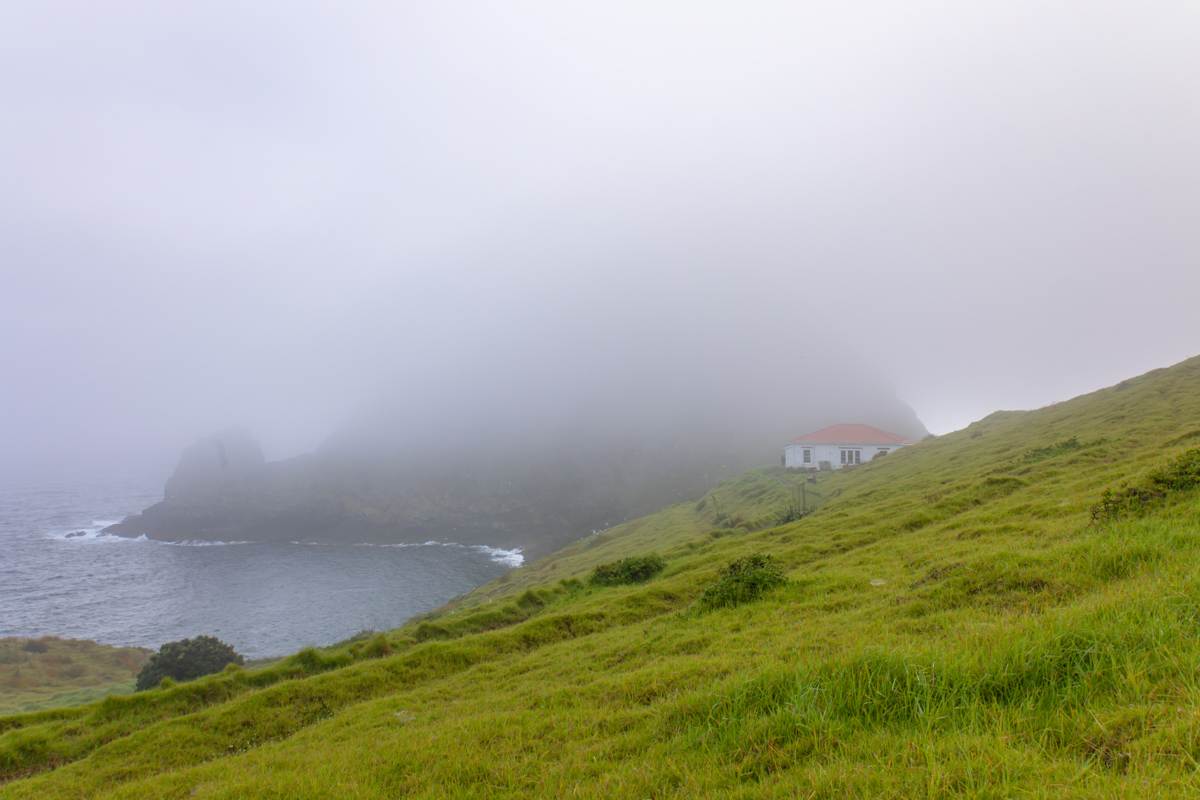
Here’s the thing about New Zealand weather: you can experience all four in one day, so layers are really important.
To cover the basics, make sure you pack the following:
- A light rain jacket
- SPF50+ sunscreen (our ozone layer in New Zealand is non-existent so the sun here is strong)
- Sandfly repellent
- Comfortable shoes
- Plug adapter
- Swimwear (especially in summer)
- Reusable water bottle
- Offline maps and a portable charger — reception can be patchy in places
KIWI CULTURE
Kiwis are friendly, low-key, and pretty humble. And while New Zealand for first timers can feel easygoing, a little cultural etiquette can help.
Using local language earns instant brownie points – start with “Kia ora” (hello/thanks). Remove your shoes when entering homes, don’t haggle over prices, and avoid touching Māori carvings or cultural objects unless you’re invited. You’ll see Māori language, names, and stories everywhere – just do your best with pronunciation. Effort is always appreciated.
New Zealanders also take nature seriously. Follow Leave No Trace principles: stick to marked trails, take your rubbish with you, clean boots at hygiene stations, and never feed wildlife (kea already think they run the country).
If you’re hiking, DOC signs are instructions – not suggestions. Weather flips fast, and rescue teams are lovely… but they’d prefer not to meet you professionally.
Here are a few helpful translations when it comes to Kiwi slang:
|
Word |
Meaning |
|
Sweet as |
Awesome |
|
Chur |
Thanks / cool / yep |
|
Jandals |
Flip-flops |
|
Dairy |
Corner store |
At the heart of it all is the Tiaki Promise – a simple idea: care for the land, the sea, and the culture while you’re here. Treat Aotearoa like the rare gem it is, and you’ll leave with muddy boots, great stories, and a warm welcome to return.
THE FOOD YOU NEED TO TRY
New Zealand for first timers means that there is a plethora of Kiwi favourites that you must try.
- Coffee – any kind
- Fish and chips at the beach
- Pavlova (it’s ours – Australia can fight someone else)
- Real fruit ice-cream
- Whittakers chocolate (non-negotiable)
- Strawberries (in the months of November–Jan)
- Wine
- Markets – anything found at a weekend market is a must try.
7 MISTAKES NEW ZEALAND FIRST TIMERS ALWAYS MAKE
There are a few mistakes people often make when visiting New Zealand as a first-timer. Avoid these, and your trip will be way smoother:
- Trying to “do both islands in 10 days.”
New Zealand looks small on a map, but driving distances and terrain mean you’ll spend more time in the car than you expect. Rushing both islands leads to exhaustion and missing the highlights. Make sure to allow ample time to see and do everything that’s on your New Zealand Bucket List. - Believing Google Maps drive times.
Roads twist, wind, and often have one-lane bridges or livestock crossings. Google Maps doesn’t factor in slower speeds, stops, or photo ops. Add 20% to any estimate. - Driving sleepy on the wrong side.
Left-side driving can be tricky in New Zealand for first timers. Fatigue plus unfamiliar roads equals accidents fast. Make sure to pull over for a nap or swap drivers. - Not packing practicality.
Cute outfits don’t keep you warm, dry, or sandfly-free. Ignoring weather and terrain means uncomfortable hikes, wet clothes, and ruined photo ops. - Arriving in summer with zero bookings.
December–February is peak season. Accommodation fills fast, and failing to book in advance can leave you scrambling, paying more, or sleeping in your car. - Forgetting to declare snacks at customs.
Biosecurity is serious in New Zealand. Even a granola bar can cost you. Declaring everything keeps you out of trouble and lets you start your trip stress-free. - Planning a schedule with no rest days.
New Zealand is epic, but you’ll burn out if every day is jam-packed. Your best photos, hikes, and experiences come when you’re rested and actually enjoying the moment.
CONCLUSION
New Zealand for first timers might feel overwhelming at first, but it delivers with incredible variety in every corner – from geothermal parks to fjords, beaches, mountains, and vibrant cities.
Whether you’re chasing adventure in Queenstown, soaking in hot springs in Hanmer, or wandering Wellington’s cafes and galleries, these tips are a great starting point. Use them, adapt them, and let New Zealand surprise you – every season, trail, and coastline has something new to offer.
For more inspiration as a first time visitor to Aotearoa, dive into our New Zealand travel guides or otherwise browse our worldwide destinations.
FAQs
What are the do’s and don’ts of New Zealand?
Do’s: Greet with “Kia ora,” remove shoes indoors, be humble, follow Leave No Trace on trails, learn basic Māori phrases, and drive left and respect nature
Don’ts: Litter or damage sacred sites (tapu), haggle prices, tip servers (it’s not custom), snap fingers at waitstaff, or sunbathe without SPF50+.
What to know before traveling to New Zealand?
Secure NZeTA 72 hours pre-flight, pack for four seasons in a day, and book peak-season spots early. Drive on the left, add 20% to Google Maps times for windy roads, and download the NZTD app for customs. Travel insurance covers adventure risks; jet lag hits hard from afar, so ease in.
Do I need a visa for New Zealand?
Yes. Make sure to apply online and always check Immigration NZ.
How long should I stay in New Zealand?
Aim for 2–3 weeks minimum: 10–14 days per island to avoid the rush. Forums rave about 21+ days for hikes, drives, and recovery as rushing both in 10 days leads to burnout.
What’s the best time to visit New Zealand?
Shoulder seasons (Mar–May, Sep–Nov) balance weather, fewer crowds, and lower prices. Summer (Dec–Feb) shines for outdoor activities; winter (Jun–Aug) for snow sports.
Is New Zealand safe for solo female travellers?
Absolutely. I have explored parts of New Zealand solo. Just make sure to stick to marked trails, share your location with friends and friend, hikes via apps, and take all the necessary precautions.
Top Travel Resources to Plan Your Next Trip
Finding the Best Flights
Skyscanner: A great platform for comparing flight prices across airlines and routes.
Omio: Perfect for comparing not just flights but also trains and buses, especially for European travel.
Booking Your Stay
Hostelworld: Ideal for those specifically looking to budget on their travels and seeking hostels, guesthouses, or shared accommodations.
Booking.com: With a massive selection of hotels, apartments, and unique stays, this platform additionally has deals for frequent travellers.
Trivago: A powerful search engine for comparing hotel prices across multiple booking sites to find the best deals for your stay.
Renting a Car
Europcar: Offers a wide range of vehicles for hire in New Zealand and worldwide, perfect for exploring at your own pace.
AVIS: A trusted car rental service with a variety of vehicles and locations, ideal for seamless travel adventures.
Travel Essentials & Gear
Amazon.com: Your one-stop shop for travel gear, gadgets, packing essentials, and last-minute trip must-haves.
Discovering Amazing Activities
GetYourGuide: My go-to for booking tours, tickets, and activities in New Zealand and worldwide.
Everything New Zealand: A must for anyone traveling to New Zealand. This platform offers a curated selection of tours, activities, and adventures to make your Kiwi trip epic.
G Adventures: For small-group tours with a focus on sustainable and authentic travel, G Adventures is unbeatable.
Capturing Your Memories
MILK Books: Create stunning photo books to preserve your travel memories. Expect high-quality prints and customisable designs.
These links are affiliate links. If you book through them, I earn a small commission at no extra cost to you. Your support helps me keep sharing guides like this. Thanks for helping fuel the next adventure!
LATEST FROM THE BLOG
LIKE THIS POST? PIN IT HERE
A QUICK SUMMARY OF NEW ZEALAND FOR FIRST TIMERS
- Visa & Entry: Most visitors need NZeTA (apply 72 h before arrival); declare all food/gear or face instant fines; travel insurance is essential.
- Best Airports to Fly Into: Auckland, Queenstown, Christchurch and Wellington.
- Getting Around: Rent a car/campervan for freedom; drive on the LEFT; add 20% to Google Maps times; domestic flights (Air NZ/Jetstar) save hours between islands.
- Weather & Packing: Four seasons in one day. Pack layers, waterproof jacket, SPF50+ sunscreen, repellent, sturdy shoes, swimwear, offline maps & power bank.
- Accommodation Tips: Book Dec–Feb stays 6+ months ahead; use Booking.com, Airbnb, DOC huts, holiday parks or CamperMate/Rankers apps.
- Kiwi Etiquette: Say “Kia ora”, remove shoes indoors, never touch Māori carvings, no tipping, follow Leave No Trace, respect tapu sites.
- Must-Try Food & Drinks: Coffee, fish & chips on the beach, pavlova, real-fruit ice cream, Whittaker’s chocolate, and wine.
- Ideal Trip Length: Minimum 2–3 weeks (one island = 10–14 days, both islands = 3+ weeks) to avoid rushing or burnout.
- Best Seasons in New Zealand for First Timers: Shoulder seasons Mar–May & Sep–Nov (fewer crowds, lower prices, great weather); summer Dec–Feb for beaches; winter Jun–Aug for snow.
- Biggest Rookie Mistakes: Cramming both islands in <2 weeks, trusting Google drive times, no advance bookings in summer, forgetting biosecurity declarations, no rest days.