If you’ve ever dreamt of lacing up your boots and exploring Aotearoa’s wild landscapes, you’ll know there are some absolute essentials needed for New Zealand trails. Our tracks are as diverse as they are breathtaking, but that unpredictable weather (hello, four seasons in one day) and rugged terrain make good preparation non-negotiable.
As someone who’s tackled solo hikes in Utah and multi-day tramps like the Routeburn Track, I know packing the right essentials is the key to spending more time soaking in those epic views and less time scrambling for that forgotten rain jacket.
This guide is all about the essentials needed for New Zealand trails, breaking it down for day hikes, overnight trips, and multi-day tramps. We’ll touch on photography too, because who wouldn’t want to capture those golden shots.
This post may contain affiliate links. Your purchase through these links supports me with a commission, at no added expense to you.
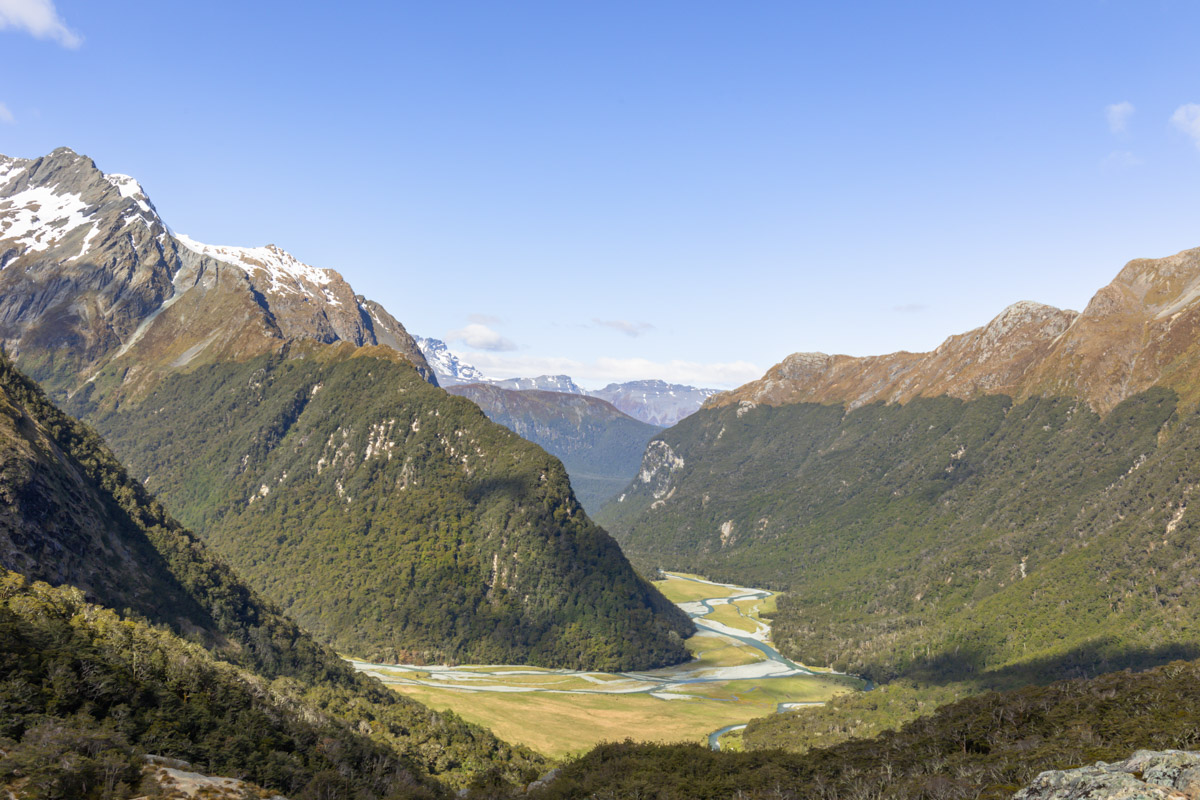
WHY THE ESSENTIALS NEEDED FOR NEW ZEALAND TRAILS ARE NON-NEGOTIABLE
New Zealand’s hiking scene is world-class, but it’s not for the underprepared. The Department of Conservation (DOC) emphasises layers and waterproofs because our weather flips faster than a kea snatching your lunch. Terrain-wise, and depending on what time of year, you could be in for mud-slicked forests, rocky scrambles, and pebbly river crossings. Plus sandflies that bite harder than they look.
Safety always comes first. Make sure to check DOC’s track conditions, share your itinerary, and pack for self-reliance, especially on remote sections. I’ve learned the hard way (pro tip: merino wool saves lives on sweaty, rainy days), so here’s your list of essentials needed for New Zealand trails.

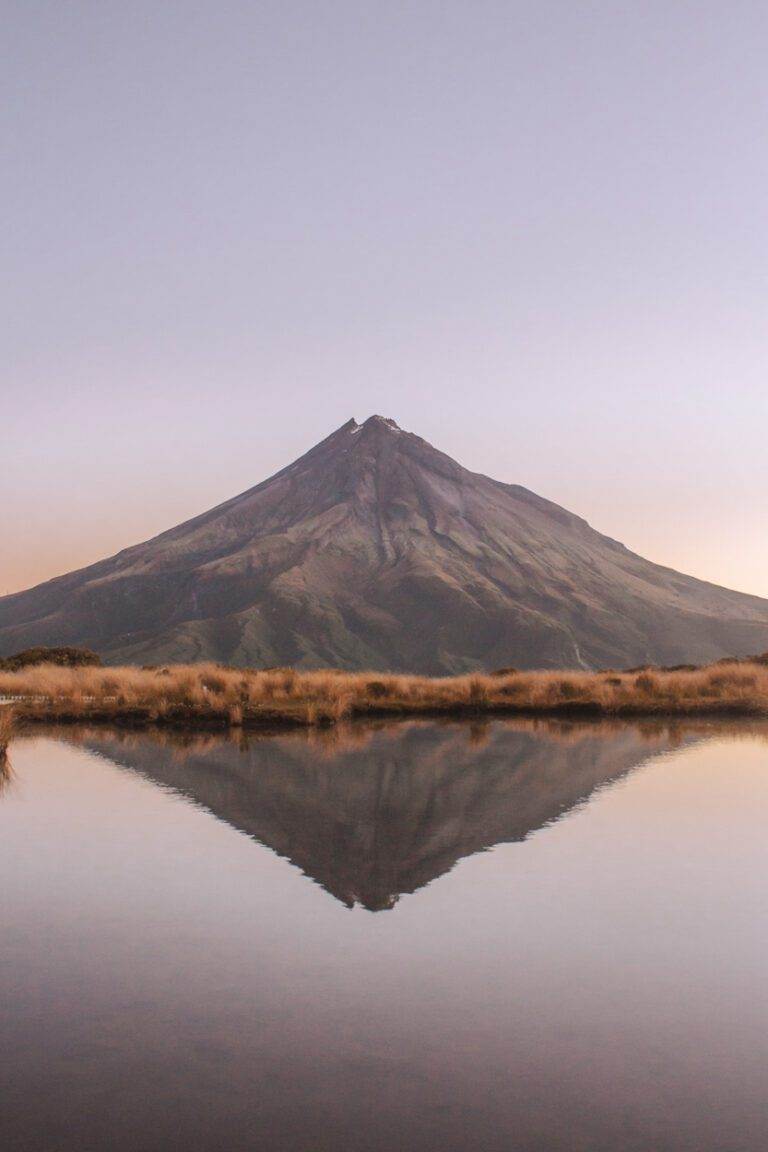
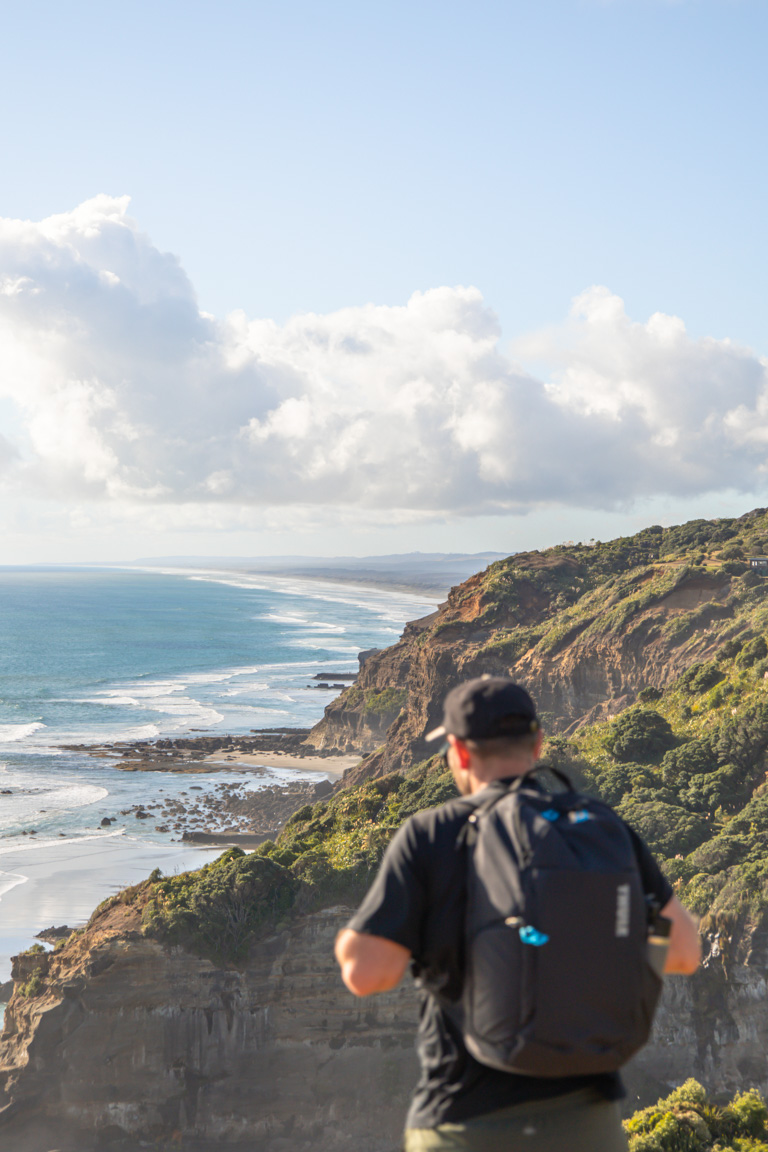
DAY HIKES: LIGHTWEIGHT ESSENTIALS NEEDED FOR NEW ZEALAND TRAILS
For day hikes like Roy’s Peak or Dukes Nose, keep your pack lean but ready for any weather changes. Here’s day essentials needed for New Zealand trails, with details to tackle those quick but epic adventures.
Clothing:
NZ trails demand versatile, quick-drying layers. We’re real big fans of merino here, so between this and synthetics that wick moisture, alongside insulate even when damp, you’re covered for most seasons and conditions.
- Moisture-wicking top for breathability on sunny climbs. My personal favourites are the tops from LSKD. I wear their shelf bra tanks for majority of my workouts, so I’m comfortable but ‘the girls’ are also supported.
- Lightweight fleece or puffer vest for chilly starts, like early mornings.
- Waterproof breathable jacket (Gore-Tex or similar) for sudden showers.
- Hiking shorts or quick-dry pants to handle coastal heat or alpine breezes.
- Merino socks to prevent blisters and a sun hat (NZ’s ozone hole amps up UV rays).
- I also tend to pack a spare pair of socks just in case. Wet feet are never fun.
Footwear:
NZ trails range from rocky, to smooth paths and slippery roots, so sturdy footwear is absolutely key.
- Trail runners (like these Hoka One Challenger trainers are my go-to).
- Most day-tracks you’ll be pretty safe with just your trail shoes however, if you foresee your hike being out on coastal or muddy tracks, gaiters are a great way to keep sand and debris out (which also double as sun protection).
Backpack & Navigation:
Your pack is your lifeline. I like to keep it light but it also depends on the conditions and the hike itself.
- 20-30L daypack (I always travel with my Thule Aspect DSLR Backpack as it fits a DSLR camera, DJI Mavic Pro, along with everything I needed for my day hikes).
- Rain cover if you think there might be any sudden downpours.
- Navigation: Phone with offline maps – I download the area as an offline Google Map, alongside an offline version of the hike on AllTrails. If you feel like you may need extra navigation, make sure to bring along a map and compass
Hydration & Nutrition:
For a day trek you should be fine with caring in your water, but if you get stuck make sure to purify it.
- 1-2L water bottle or bladder, plus purification tablets or a filter (LifeStraw is compact).
- High-energy snacks (trail mix, protein bars, dried fruit) and a sandwich or wrap for lunch.
- Rubbish bag to Leave No Trace – NZ’s pristine trails deserve it.
Safety & First Aid:
Even some of New Zealand’s day trails are remote so make sure to at least be prepared for any minor injuries.
- Small first aid kit: blister plasters, antiseptic wipes, painkillers.
- SPF 50+ sunscreen (definitely needed for in NZ sun), lip balm, and DEET insect repellent for sandflies.
- Finally, make sure to check the forecast a couple days and advance and then again before you leave. New Zealand weather can flip fast. Also, always share your plans with someone, especially if going solo or even as a small group.
Electronics & Photography Gear:
99.9% of the time, you’ll find my camera attached to me on a trail (it’s definitely one of my core essentials needed for New Zealand trails) so for those like me, these might be helpful:
- Phone for quick snaps and emergencies, plus a small power bank if you’re phone battery isn’t so great.
- For photography buffs, a (Canon EOS R6). I’m clearly biased here but lightweight camera will make all the difference.
- This Peak Design camera clip to strap it to your pack.
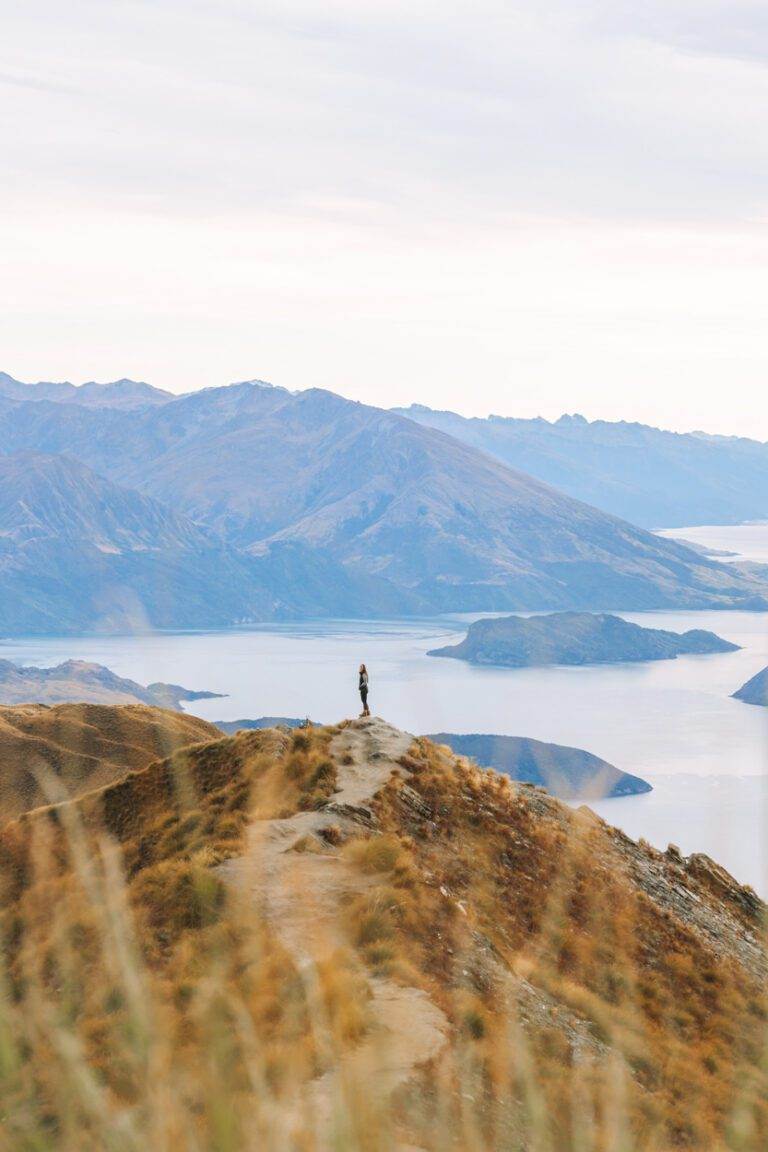
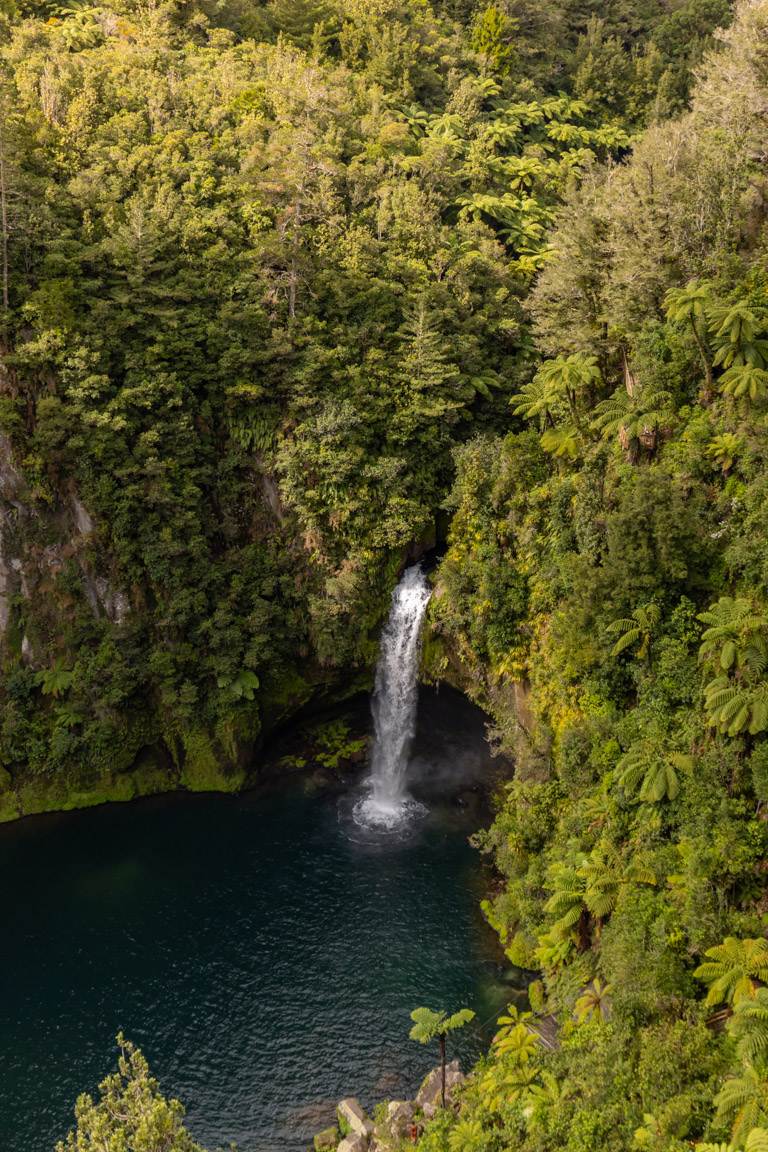
OVERNIGHT HIKES: STEPPING UP THE ESSENTIALS NEEDED FOR NEW ZEALAND TRAILS
For an overnight adventure, like a Cape Brett with a hut stay, making sure to add a few more pieces of gear for comfort and self-sufficiency without overloading is essential. Here’s the detailed breakdown.
Clothing:
Build on day hike gear to handle cold nights and variable conditions.
- Add a thermal merino long-sleeve top, fleece or puffer jacket and tights for chilly hut evenings or frosty starts.
- Beanie and lightweight gloves for alpine mornings on tracks, particularly in the South and for colder seasons.
- One extra change of clothes – shirt, merino socks, and underwear for a fresh morning start.
- Bikini – if there is an opportunity for a swim at the end of the hike, I’d do it every time. Even just to feel that slight bit cleaner.
Footwear & Accessories:
Same as day hikes, but adding comfort for longer treks a part of the essentials needed for New Zealand trails.
- Same trail runners or boots, plus gaiters for muddy sections. Or, if this is a trail that needs sturdier footwear, hiking boots should do the trick for essentials needed on New Zealand trails.
- Slip-on sandals or jandals for hut downtime–your feet will thank you.
- Trekking poles for stability on descents, especially on steep tracks.
- A buff, to keep wind and sun at bay.
- Sunglasses, for those bright days.
Backpack & Navigation:
You’ll need to step up your pack size for overnight essentials.
- 30-40L pack with a hip belt and dry bags to keep gear organised and dry.
- Same navigation setup: offline maps, compass. Test your phone’s GPS app before heading out.
Hydration & Nutrition:
Add cooking gear for a hot meal.
- Same as day hike but closer to a 2L water setup, plus a lightweight stove, small pot, and spork. Make sure to check that the hut you’re staying in doesn’t already have cooking utilities.
- Freeze-dried meals (Back Country Cuisine or Radix are my go-to) for dinner (breakfast, if needed), plus extra snacks for energy.
- Snacks: pack a few extra bits for when hunger hits hard after a long day.
Safety & First Aid:
Beef up your safety kit for longer exposure. So, same as day hikes, but more.
- Add a head torch with spare batteries for hut evenings, late finishes, or early starts.
Electronics & Photography Gear:
Add a touch of photography gear for overnight magic.
- Same phone and power bank, plus a small tripod (this one from Peak Design is on my wish-list) for starry night shots.
- Extra battery for your camera – cold nights drain them fast. Plus a polarising filter and if you have room, an additional lens.
Toiletry & Sleep Setup:
I can say with confidence that small comforts make hut life better.
- Lightweight sleeping bag and silk liner for DOC huts.
- Toothbrush/paste, cleanser/moisturiser, biodegradable soap, baby wipes (for “showers”), and a microfibre towel.
- Earplugs for noisy hut mates, an eye mask, headphones and period essentials if needed.
- Make sure to check that the hut provides mattresses – if not you’ll need a lightweight inflatable mat.
- Playing cards (if you’re wanting to take on your fellow hut-mates) and Kindle for reading.
Make sure to test your pack weight at home – lower the better in order to keep the tramp enjoyable.
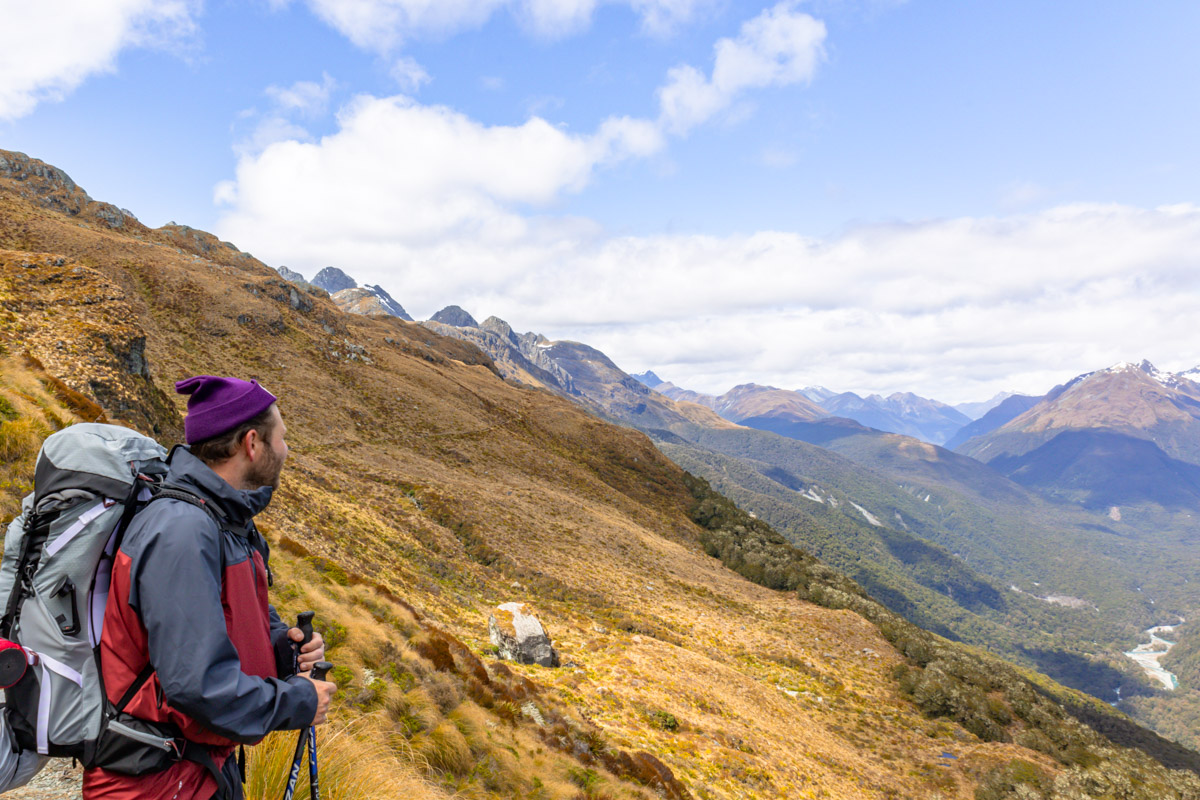
MULTI-DAY TRAMPS: ALL THE ESSENTIALS NEEDED FOR NEW ZEALAND TRAILS
In terms of essentials needed for New Zealand trails for hikes like the Routeburn Track, and other Great Walks, you’ll need to be mindful that you’re carrying all you need for 3-5 days. Basically prioritise lightweight, versatile gear for all of the conditions that the New Zealand trails can throw at you.
Clothing:
Build on overnight gear for extended self-sufficiency.
- Extras of everything mentioned in the overnight list. E.g. 2-3 moisture-wicking shirts, 3-4 pairs of merino socks, and underwear (one per day).
- I made sure to have a set of clean clothes that I would only wear at night after I “washed”.
Footwear & Accessories:
Rugged trails demand extra protection.
- Same as the overnight list but proper hiking boots are a must for the multi-day treks.
Backpack & Navigation:
Go bigger but pack smart.
- Similarly to the overnight list but a slightly bigger pack (40-50L) and again, with a liner and rain cover.
- Additional dry bags for wet/dry gear separation.
Hydration & Nutrition:
Here is where you’ll need to be a bit more careful to plan meals for every day.
- 2L water system. Most huts in New Zealand have safe drinking water but it’s good to bring a filter or water purification tablets, just in case.
- Freeze-dried meals for each dinner, oatmeal or muesli for breakfast, an on the go lunch and extra snacks (nuts, dried fruit).
Safety & First Aid:
Being even more prepared knowing that you’ll be on this trail for a couple days:
- Full first aid kit: blister plasters, bandages, antiseptic, painkillers, etc.
- An emergency blanket, whistle, multi-tool, and duct tape (fixes everything).
- Head net for sandfly swarms on coastal tracks.
Electronics & Photography Gear:
All the same as per previous overnight list.
Toiletry & Sleep Setup:
All of the essentials for hiking New Zealand trails mentioned previously is going to help with hut comforts over your multi-day hike.
- Add moisturiser, hair ties, and playing cards or a journal for hut downtime.


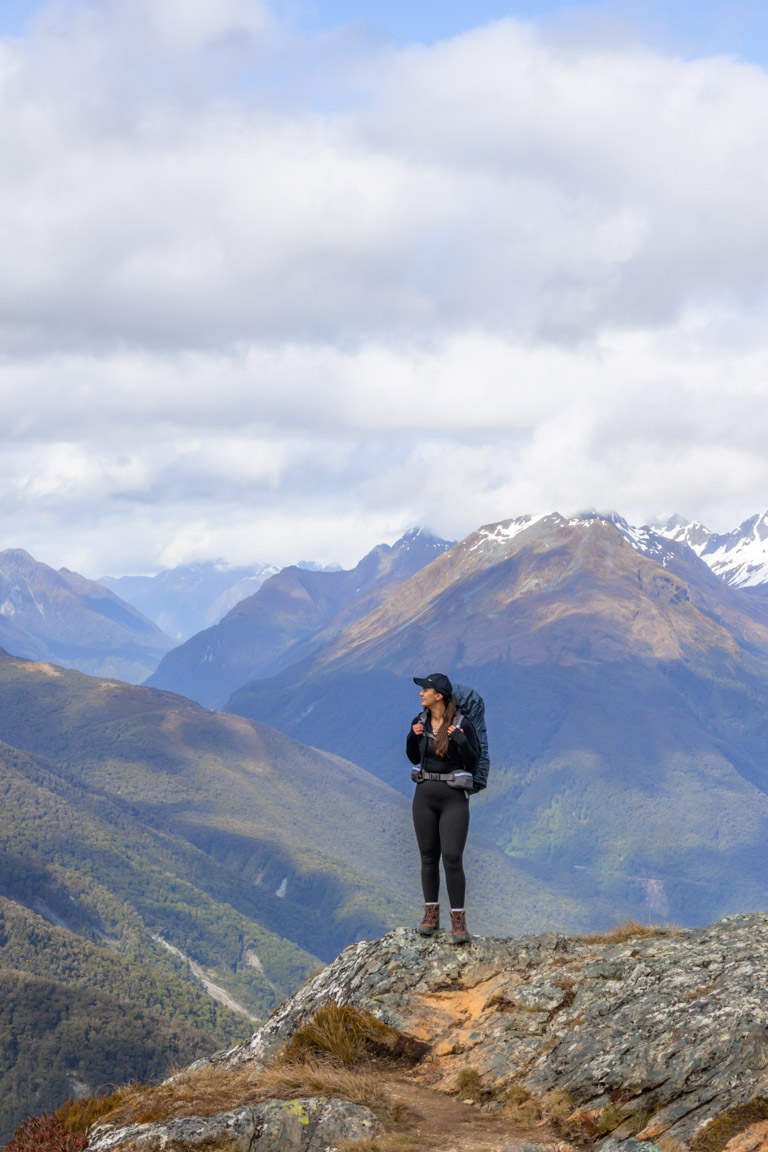
PHOTOGRAPHING THE TRAILS
I’ve captured some of my most favourite photos on trails. So if you’re into travel photography and you’re wondering what photography essentials are needed for New Zealand trails, firstly make sure to consider the weight of extra gear. I only bring the essentials on the multi-day hikes and depending on the day hikes, I’ll often leave my drone at home.
Camera: For high-quality images, I would highly suggest a mirrorless camera as an essential. Comparatively to traditional cameras, mirrorless cameras are lighter, making them a great addition for hiking. I invested in a Canon R6 a couple years ago and haven’t looked back, it’s been my best friend on many trails.
Camera Clip: When hiking, constantly digging your camera out of your pack can be a hassle. As mentioned earlier, I highly recommend using a camera clip instead. This clip from Peak Design attaches to your bag’s strap, making it easy to clip on and off for those impromptu shots.
Tripod and Accessories: A lightweight, collapsible tripod will help capture stunning shots without burdening your backpack. It’s also perfect if you’re wanting to take a couple of self-portraits. This carbon fibre tripod from Peak Design is my favourite. Also don’t forget extra batteries, memory cards and as B&H Photo highly recommends – solar-powered battery packs for multi-day trips.
WRAPPING IT UP: HERE IS A QUICK LIST OF THE ESSENTIALS NEEDED FOR NEW ZEALAND TRAILS.
DAY HIKES:
Category | Item | Quantity |
Clothing | Moisture-wicking top | 1 x |
Lightweight fleece or puffer vest | 1 x | |
Waterproof jacket | 1 x | |
Hiking shorts or quick-dry pants | 1 x | |
Pair merino socks | 1 x | |
Spare pair merino socks | 1 x | |
Sun hat | 1 x | |
Footwear | Trail shoes | 1 x |
Backpack & Navigation | Daypack | 1 x |
Rain cover | 1 x | |
Phone with offline maps (Google Maps/AllTrails) | 1 x | |
Hydration & Nutrition | 1-2L water bottle or bladder | 1 x |
High-energy snacks (trail mix, protein bars, dried fruit) | 1 x | |
Safety & First Aid | Small first aid kit (blister plasters, antiseptic wipes, painkillers) | 1 x |
SPF 50+ sunscreen and lip balm | 1 x | |
DEET insect repellent | 1 x | |
Electronics & Photography | Phone | 1 x |
Small power bank (if needed) | 1 x | |
Camera and clip | 1 x |
OVERNIGHT HIKES:
Category | Item | Quantity |
Clothing | Moisture-wicking top | 1 x |
Thermal merino long-sleeve top | 1 x | |
Fleece or puffer jacket | 1 x | |
Waterproof jacket | 1 x | |
Hiking shorts or quick-dry pants | 1 x | |
Tights | 1 x | |
Pair merino socks | 1 x | |
Spare pair merino socks | 1 x | |
Sun hat | 1 x | |
Beanie | 1 x | |
Footwear | Trail runners or hiking boots | 1 x |
Pair gaiters | 1 x | |
Pair slip-on sandals | 1 x | |
Pair trekking poles | 1 x | |
Backpack & Navigation | 30-40L pack | 1 x |
Rain cover | 1 x | |
Phone with offline maps (Google Maps/AllTrails) | 1 x | |
Hydration & Nutrition | 2L water bottle or bladder | 1 x |
Purification tablets or filter | 1 x | |
High-energy snacks (trail mix, protein bars, dried fruit) | 1 x | |
Freeze-dried meal/s | 1 x | |
Safety & First Aid | First aid kit (blister plasters, antiseptic wipes, painkillers, tweezers, rehydration salts) | 1 x |
SPF 50+ sunscreen and lip balm | 1 x | |
DEET insect repellent | 1 x | |
Head torch with spare batteries | 1 x | |
Electronics & Photography | Phone | 1 x |
Small power bank | 1 x | |
Camera clip | 1 x | |
Tripod | 1 x | |
Toiletry & Sleep Setup | Sleeping bag | 1 x |
Silk liner | 1 x | |
Toothbrush/paste | 1 x | |
Microfibre towel | 1 x | |
Pack baby wipes | 1 x |
NEW ZEALAND MULTI-DAY TRAMPS:
Category | Item | Quantity |
Clothing | Moisture-wicking tops | 2-3 x |
Sport bras (if required) | 3-4 x | |
Thermal merino long-sleeve top | 1 x | |
Fleece or puffer jacket | 1 x | |
Waterproof over-trousers | 1 x | |
Waterproof jacket | 2-3 x | |
| Hiking shorts, tights or quick-dry pants | 2-3 x | |
Pairs merino socks | 3-4 x | |
Sun hat | 1 x | |
Beanie | 1 x | |
Neck gaiter | 1 x | |
Footwear | Hiking boots | 1 x |
Pair gaiters | 1 x | |
Pair slip-on sandals | 1 x | |
Pair trekking poles | 1 x | |
Backpack & Navigation | 40-50L pack | 1 x |
Rain cover | 1 x | |
Phone with offline maps (Google Maps/AllTrails) | 1 x | |
Dry bags | 1 x | |
Hydration & Nutrition | 2L water bottle or bladder | 1 x |
Purification tablets or filter | As many as you think is required | |
High-energy snacks (nuts, dried fruit) | As many as you think is required | |
Set freeze-dried meals | At least two per day (breakfast and dinner) | |
Safety & First Aid | Full first aid kit (blister plasters, bandages, antiseptic, painkillers, tweezers) | 1 x |
SPF 50+ sunscreen and lip balm | 1 x | |
DEET insect repellent | 1 x | |
Head torch with spare batteries | 1 x | |
Emergency blanket | 1 x | |
Whistle | 1 x | |
Electronics & Photography | Phone | 1 x |
Small power bank | 1 x | |
Camera clip | 1 x | |
Tripod | 1 x | |
Toiletry & Sleep Setup | Lightweight sleeping bag | 1 x |
Silk liner | 1 x | |
Toothbrush/paste + all other toiletries | 1 x | |
Microfibre towel | 1 x | |
Pack baby wipes | 1 x | |
Pack playing cards or journal | 1 x |
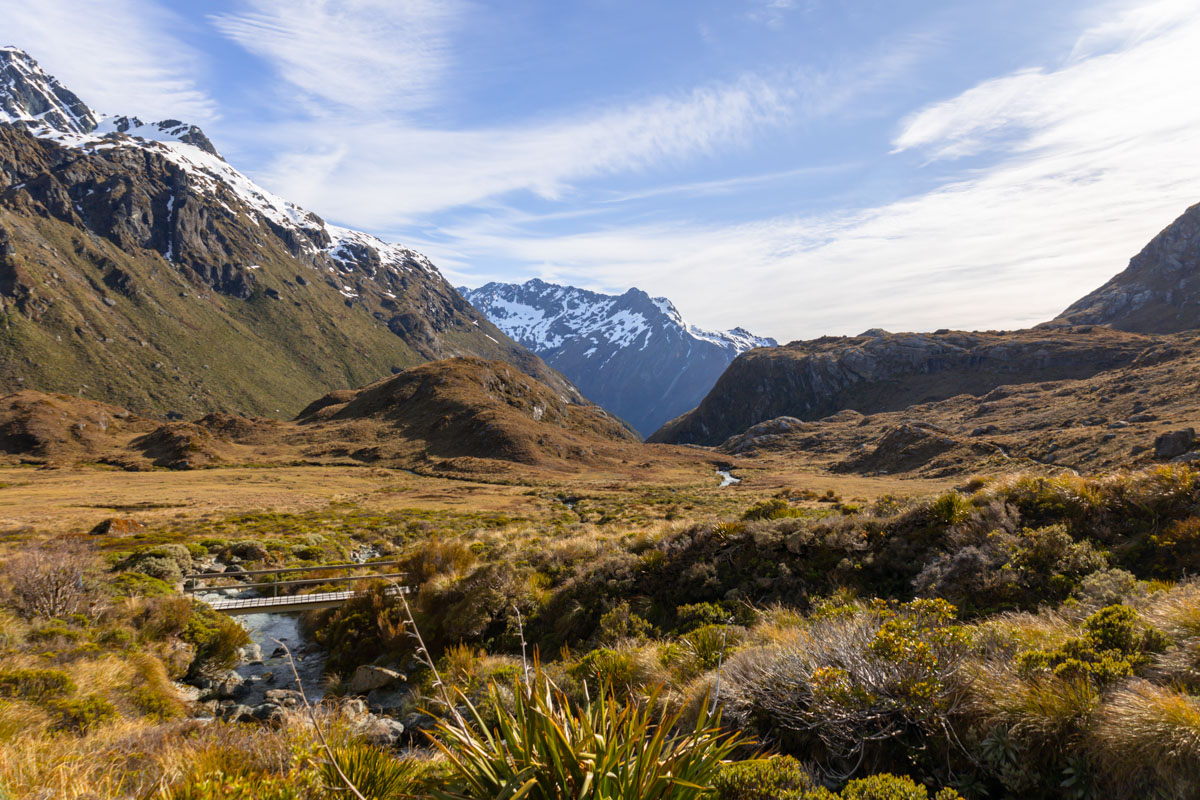
SUMMARY
In this post, we’ve unpacked the essentials needed for New Zealand trails to help you gear up for unforgettable hikes across Aotearoa. From lightweight layers and waterproof must-haves for quick day hikes on Roy’s Peak to full self-sufficiency kits for multi-day epics like the Routeburn Track, these tailored lists ensure you’re ready for four seasons in a day. Whether you’re a solo adventurer or a seasoned hiker, you’ll hit the trails confident and comfortable.
What’s your must-pack item for NZ hikes? Drop a comment below, or dive into more adventures in my New Zealand hiking archives. Better yet, browse through all of my New Zealand travels, for all the info you need to explore Aotearoa.
FAQs
What to pack for hiking in New Zealand?
Hopefully this blog post on essentials needed for New Zealand trails has answered this question. You’ll find a snapshot summary for those who want a fast answer but just in case, here are a few things you’ll want to pack for hiking in New Zealand: quick-drying layers to handle sudden weather shifts. Think merino, waterproof, and sturdy trail runners. For day hikes, focus on a smaller pack with 1-2L water, snacks, a first aid kit, sunscreen, insect repellent, and offline maps via Google or AllTrails. Overnight or multi-day trips add a sleeping bag, freeze-dried meals, and a head torch. Always check DOC forecasts and pack smartly.
What is the hardest Great Walk in New Zealand?
The Hump Ridge Track, a 3-day loop in Fiordland, is widely considered the toughest Great Walk due to its steep climbs and long daily distances. It’s more demanding than classics like the Milford Track (famous for weather challenges) or Routeburn (alpine passes). However, I would say that this is definitely dependant on the hiker, and what you would consider difficult. E.g. elevation vs. length.
What do I need for New Zealand trails?
As I have noted, for each of the day vs. overnight, and multi-day hikes in this essentials needed for New Zealand trails guide include: moisture-wicking clothing, breathable waterproof jacket and over-trousers, broken-in hiking boots or trail runners, a backpack with rain cover, navigation tools (phone with offline maps, map, compass), hydration system with purification, high-energy snacks, a basic first aid kit, SPF 50+ sunscreen, DEET repellent for sandflies, and a personal locator beacon (PLB) for remote areas. For photography, add a lightweight mirrorless camera like the Canon EOS R6 and Peak Design clip. Prioritise lightweight, multi-use items–NZ weather flips fast, so layers are key.
Do I need trekking poles for New Zealand hikes?
Trekking poles aren’t always essential for easy day hikes, but they’re a game-changer for stability on steep descents, river crossings, or multi-day tramps like the Routeburn Track. They reduce knee strain by up to 25% and help with balance on muddy or rocky terrain–especially useful in wet conditions.
What should I pack for New Zealand in summer?
Even though summer is much warmer (December-February), pack for 10-25°C swings with rain—merino base layers, a fleece mid-layer, Gore-Tex shell, quick-dry shorts/pants, sun hat, and high-UV sunscreen (NZ’s ozone hole intensifies rays). Hydration and snacks are crucial for longer hikes; add bug spray for coastal sandflies. Lightweight is best.
How do I prepare for sandflies on New Zealand trails?
Sandflies (midges) are undeniably the worst when hiking and they tend to swarm coastal and bushy areas like Abel Tasman and the West Coast. Make sure to pack DEET 20-50% repellent, long sleeves/pants at dusk/dawn, and a head net.
Can I hike New Zealand trails in winter?
Absolutely. There are plenty of trails to hike in winter but if you’re looking to hike more of the advanced trails in New Zealand, make sure you book in advance with an experienced guide. Winter (June-August) brings snow, ice, and shorter days so always best to be safe and with someone who knows the terrain.
What photography gear do I need for New Zealand trails?
Keep it light: A phone for casual snaps, but for pros, a mirrorless, or light camera is ideal. Add a camera clip for hands-free access, compact tripod and extra batteries (cold drains them), alongside a polariser filter for glare. Drones are restricted in national parks so make sure to check DOC rules.
Do I need a sleeping bag for Great Walk huts?
Yes, a sleeping bag is definitely one of the essentials needed for New Zealand trails. Most DOC huts provide bunks and mattresses but no bedding.
A SNAPSHOT OF ESSENTIALS NEEDED FOR NEW ZEALAND TRAILS
For those seeking a quick fire summary of the essentials needed for New Zealand trails, this blog post covers the gear and tips for day hikes, overnight adventures, and multi-day tramps across Aotearoa:
- Day Hikes (e.g., Roy’s Peak, Dukes Nose): Lightweight 10-20L pack, merino clothing, waterproof Gore-Tex jacket, trail runners, 1-2L water, snacks, first aid kit, sunscreen, offline maps (Google/AllTrails), phone, camera clip.
- Overnight Hikes (e.g., Cape Brett): 30-40L pack, thermal merino top, fleece jacket, hiking boots or trail runners, sleeping bag, 2L water, freeze-dried meals, head torch, tripod, microfibre towel.
- Multi-Day Tramps (e.g., Routeburn Track): 40-50L pack, 2-3 merino tops, waterproof over-trousers, hiking boots, 2L water, freeze-dried meals (breakfast/dinner), full first aid kit, emergency blanket, whistle, journal.
- Photography Tips: Canon EOS R6, Peak Design clip, lightweight tripod, extra batteries, polarising filter.
Check DOC conditions and explore more of New Zealand on these incredible trails!
Top Travel Resources to Plan Your Next Trip
Finding the Best Flights
Skyscanner: A great platform for comparing flight prices across airlines and routes.
Omio: Perfect for comparing not just flights but also trains and buses, especially for European travel.
Booking Your Stay
Hostelworld: Ideal for those specifically looking to budget on their travels and seeking hostels, guesthouses, or shared accommodations.
Booking.com: With a massive selection of hotels, apartments, and unique stays, this platform additionally has deals for frequent travellers.
Trivago: A powerful search engine for comparing hotel prices across multiple booking sites to find the best deals for your stay.
Discovering Amazing Activities
GetYourGuide: My go-to for booking tours, tickets, and activities in New Zealand and worldwide.
Everything New Zealand: A must for anyone traveling to New Zealand. This platform offers a curated selection of tours, activities, and adventures to make your Kiwi trip epic.
G Adventures: For small-group tours with a focus on sustainable and authentic travel, G Adventures is unbeatable.
Capturing Your Memories
MILK Books: Create stunning photo books to preserve your travel memories. Expect high-quality prints and customisable designs.
These links are affiliate links. If you book through them, I earn a small commission at no extra cost to you. Your support helps me keep sharing guides like this. Thanks for helping fuel the next adventure!