When it comes to the best time of year to visit New Zealand, there’s no simple answer. The seasons vary wildly, and weather can shift dramatically from one island to the other. Meaning, it can be tricky to pinpoint the ideal time to explore this incredible country.
Weather, crowds, prices, and even the mood of the landscapes change from summer through winter. What feels like a sun-soaked paradise in January feels wild and introspective by July.
So rather than chasing the ‘perfect’ season, this guide breaks down what to expect in each one so you can decide the best time of year to visit New Zealand, that suits you best. I’ll also give a little insight into my favourite time of year to be in Aotearoa, and why. Let’s dive in!
This post may contain affiliate links. Your purchase through these links supports me with a commission, at no added expense to you.

QUICK LOOK: NEW ZEALAND’S SEASONS AT A GLANCE
First, a quick refresher – New Zealand sits in the Southern Hemisphere, which means our seasons are the opposite from places such as Europe and the USA. So ultimately, our summer is your winter (and vice versa). The climate here is temperate and maritime, meaning mild overall but famously unpredictable. The North Island stays warmer year-round, while the South Island swings from lake weather to alpine chills.
AUTUMN (MARCH-MAY): SHOULDER SEASON FOR MILD WEATHER & FEWER CROWDS
Why it’s the sweet spot:
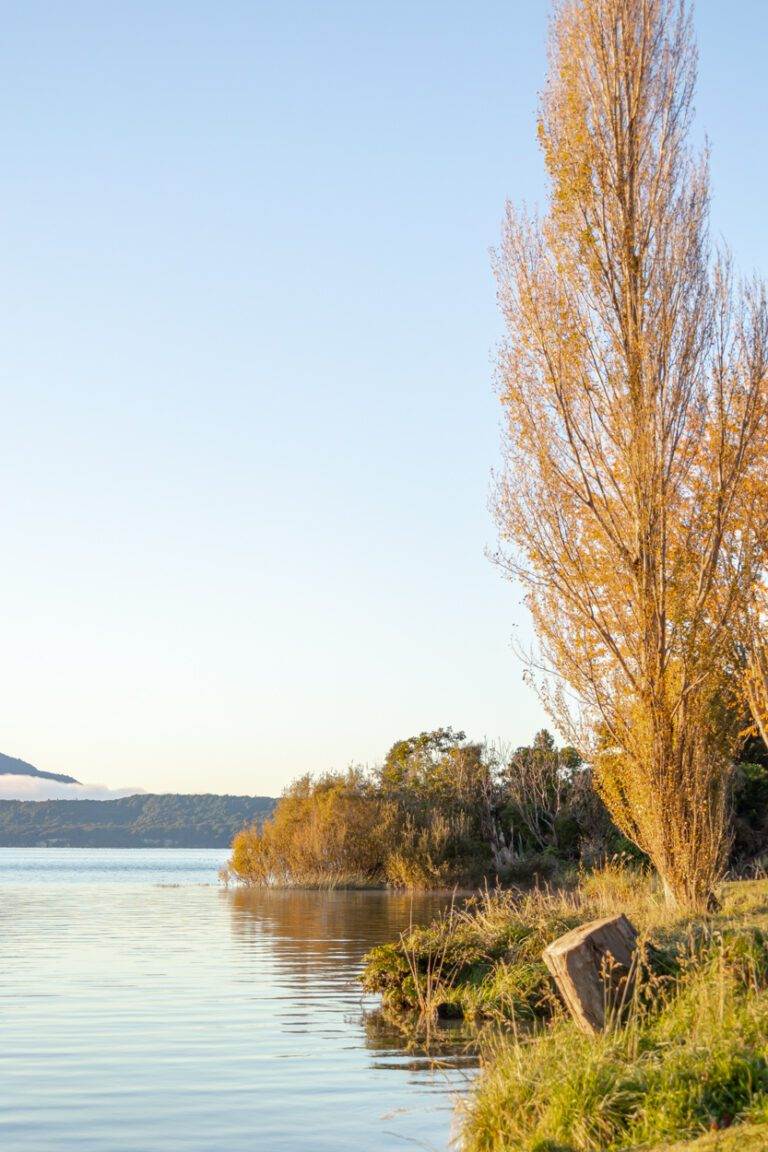
Autumn in New Zealand is the Goldilocks zone — not too hot, not too cold, and just quiet enough to feel peaceful.
Weather to Expect
- Crisp mornings and golden afternoons perfect for hiking or road trips.
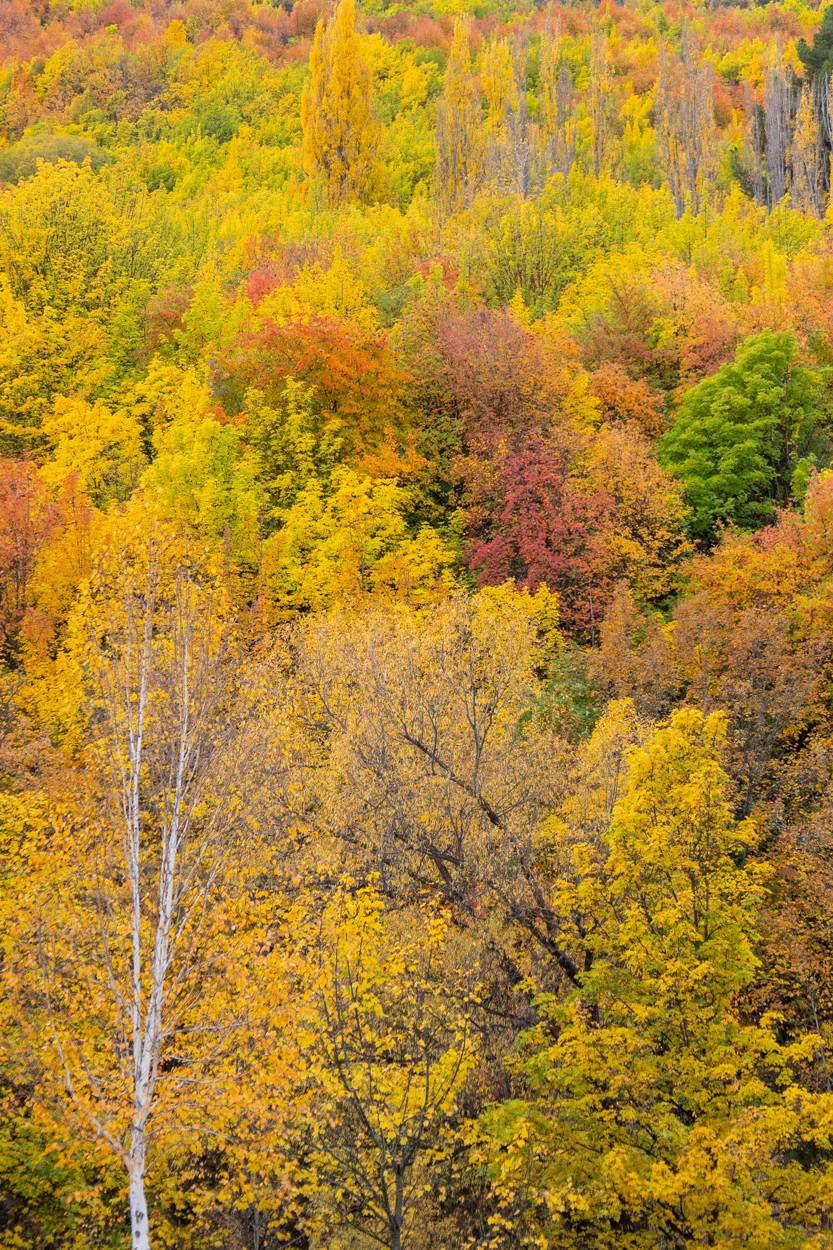
- Vineyards glow red and gold, especially around Central Otago and Hawke’s Bay.
- Rainfall is moderate, but a light waterproof layer goes a long way.
Top Experiences
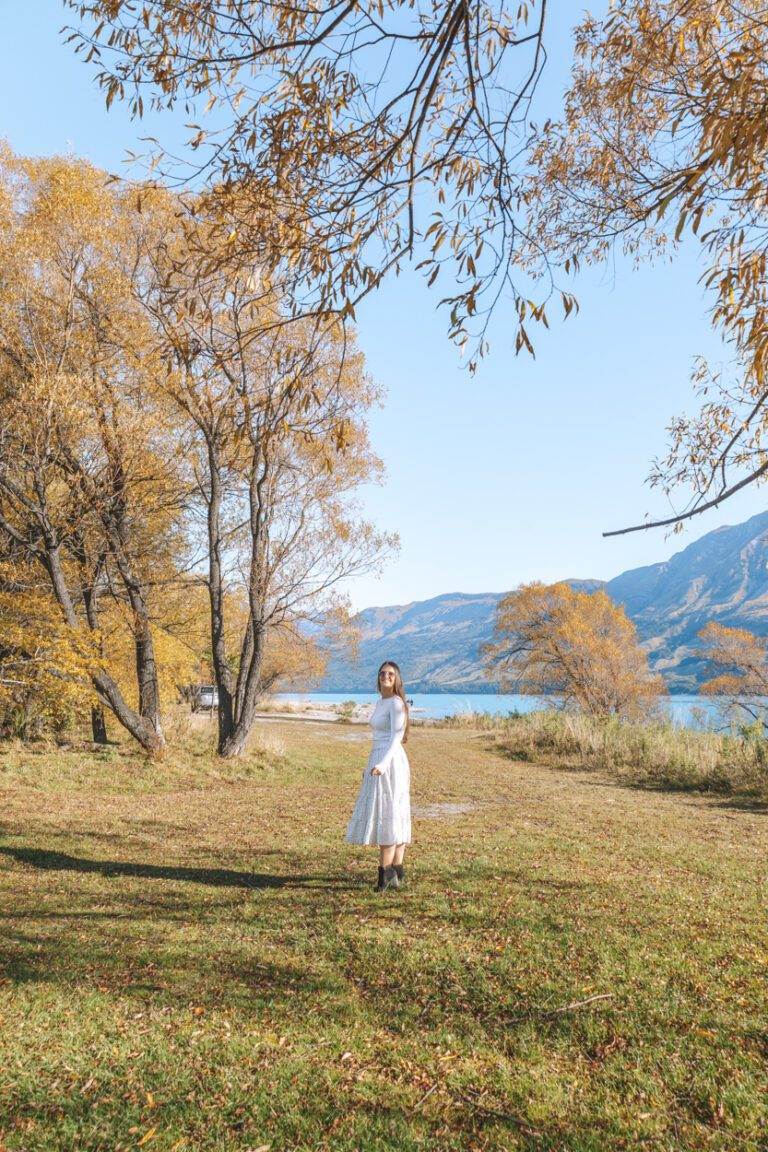
- Drive the South Island where roads are often framed by autumn foliage.
- Join grape harvest events in Marlborough or Hawke’s Bay.
- Hike the Routeburn Track without the summer crowds.
- Stargaze in Aoraki/Mt Cook – autumn skies are famously clear.
Pros
- Shoulder-season airfares and hotel rates drop by 20–30%.
- Trails, restaurants, and wineries feel pleasantly quiet.
- Light is soft and golden – perfect for photographers.
Cons
- Daylight fades earlier (daylight savings start of April and the sun sets around 6pm by May).
- Higher elevations often sees early snowfalls.
Best for: Budget-conscious travellers, photographers, and anyone who loves mild days and cosy nights.
If you want balance with fewer crowds and usually beautiful weather – autumn might secretly be the best time of year to visit New Zealand. It’s definitely a time that I love to visit the south with all of the beautiful Autumn colours, however you’ll definitely want to travel with more layers.
WINTER (JUNE–AUGUST): SNOW SPORTS AND COSY VIBES
Why it’s underrated:
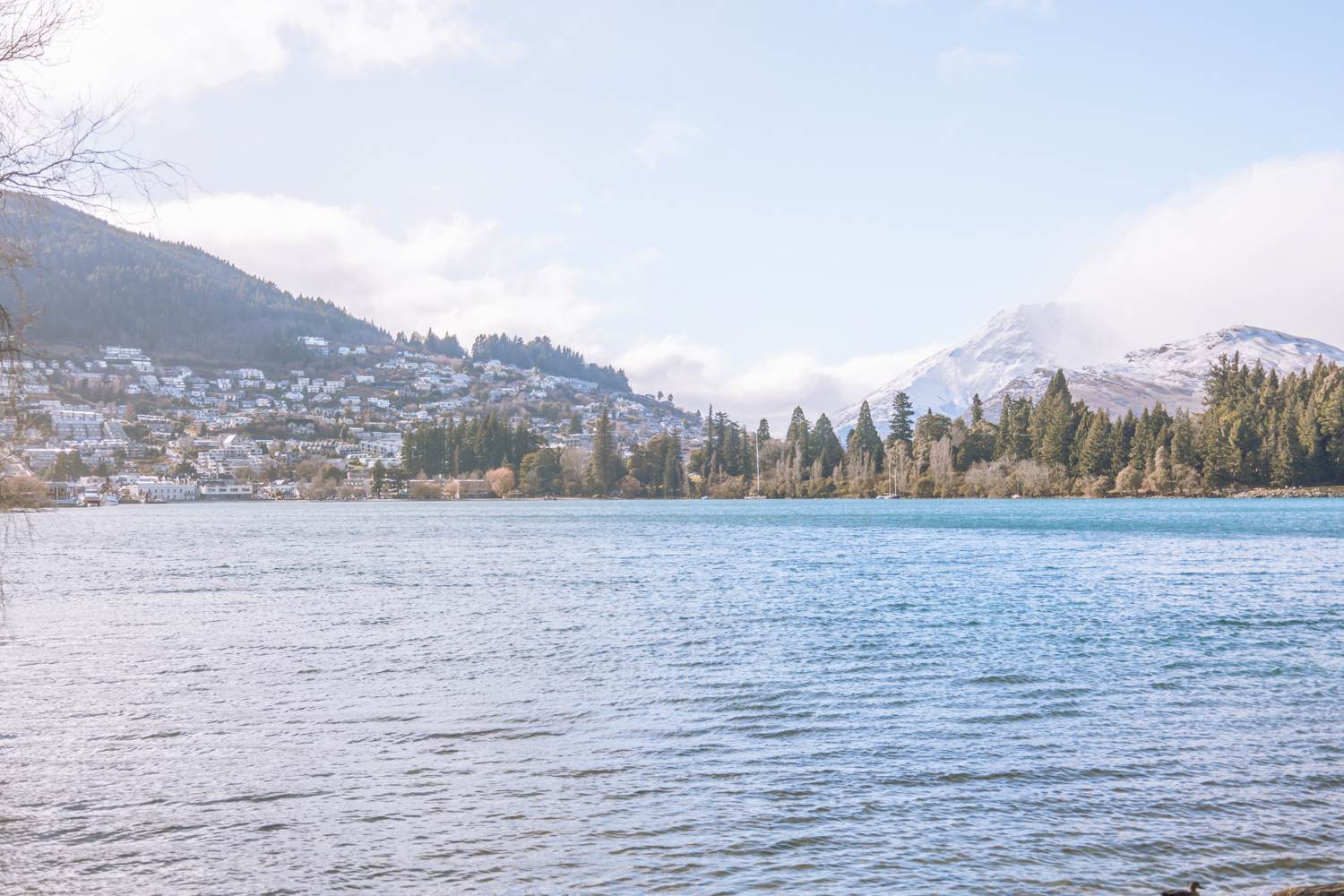
While the Northern Hemisphere is melting, New Zealand becomes a winter wonderland — mainly in the South Island. Think crisp air, snow-covered peaks, and steaming hot pools after a day in the cold.
Weather to Expect
- North Island: Cool and wet, like a moody version of Seattle, with volcanoes.
- South Island: Proper winter. Snow blankets the Remarkables and Mount Ruapehu.
- Daylight: Shorter days with the sun rising around 7:30am and setting by 5pm.
Top Experiences
- Ski or snowboard at Cardrona, Treble Cone, or Coronet Peak.
- Soak in Rotorua’s geothermal pools or Hanmer Springs.
- Take a Lord of the Rings heli-tour over snowy peaks.
- Spot yellow-eyed penguins on the Otago Peninsula.
Pros
- Flights and hotels can be 40–50% cheaper than summer. Obviously this is completely dependent on where you’re traveling to. Places like Queenstown are still popular at this time, so expect prices to be a reflection of this.
- Major attractions are much more quiet.
- Perfect excuse for hot chocolates, fireplaces, and slow travel.
Cons
- Some trails close for safety; alpine passes may need snow chains.
- Inter-island ferries can be delayed by rough weather.
Best for: Snow lovers, those who love the cold, and anyone who appreciates a good deal.
Winter might surprise you as a contender for the best time of year to visit New Zealand. Especially if you love the snow, rain and moody landscapes.
PINS YOU MIGHT LIKE
SPRING (SEPTEMBER–NOVEMBER): RENEWAL AND BLOOMING LANDSCAPES
Why it’s full of life:
Spring is New Zealand waking up again. The snow melts, the lambs are bouncing, and the cherry blossoms come out to play.
Weather to Expect
- Expect “four seasons in a day”: chilly mornings, mild afternoons, and the odd shower.
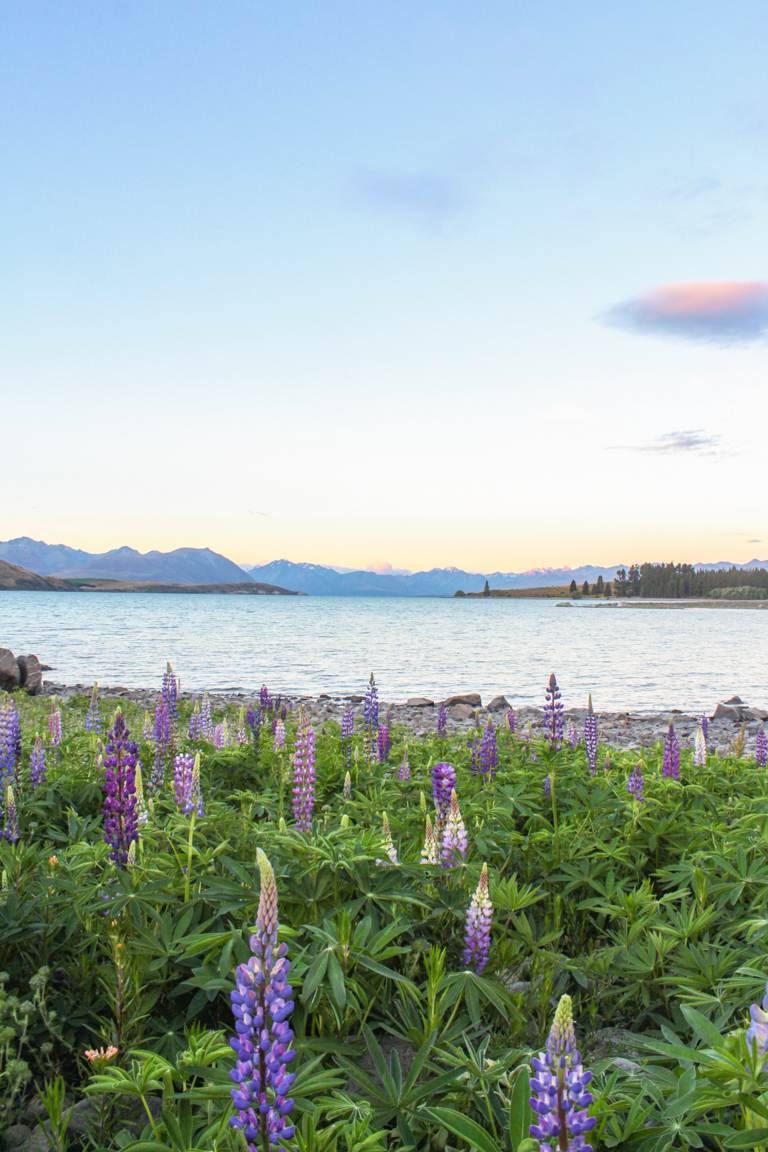
- Wildflowers start blooming. Mackenzie Country’s lupins peak in November.
- Wind can be brisk, especially in Wellington (no surprise there).
Top Experiences
- Walk the Milford or Routeburn Tracks before the summer rush.
- Whale watch in Kaikōura during the spring migration.
- Visit Hobbiton when the Shire is lush and green.
- Explore geothermal Rotorua or the Thermal Explorer Highway.
Pros
- Baby animals everywhere.
- Shoulder-season pricing still applies.
- Some ski fields stay open early in the season, depending on our snowfall.
Cons
- Weather can be unpredictable; layers are essential.
- High-country roads may still have patches of snow.
Best for: Nature lovers, hikers, and anyone who thrives on fresh air and new growth.
Spring offers a vibrant perspective on the best time of year to visit New Zealand, with landscapes that feel alive again. It’s also when people are coming out of their ‘winter blues’ faze.
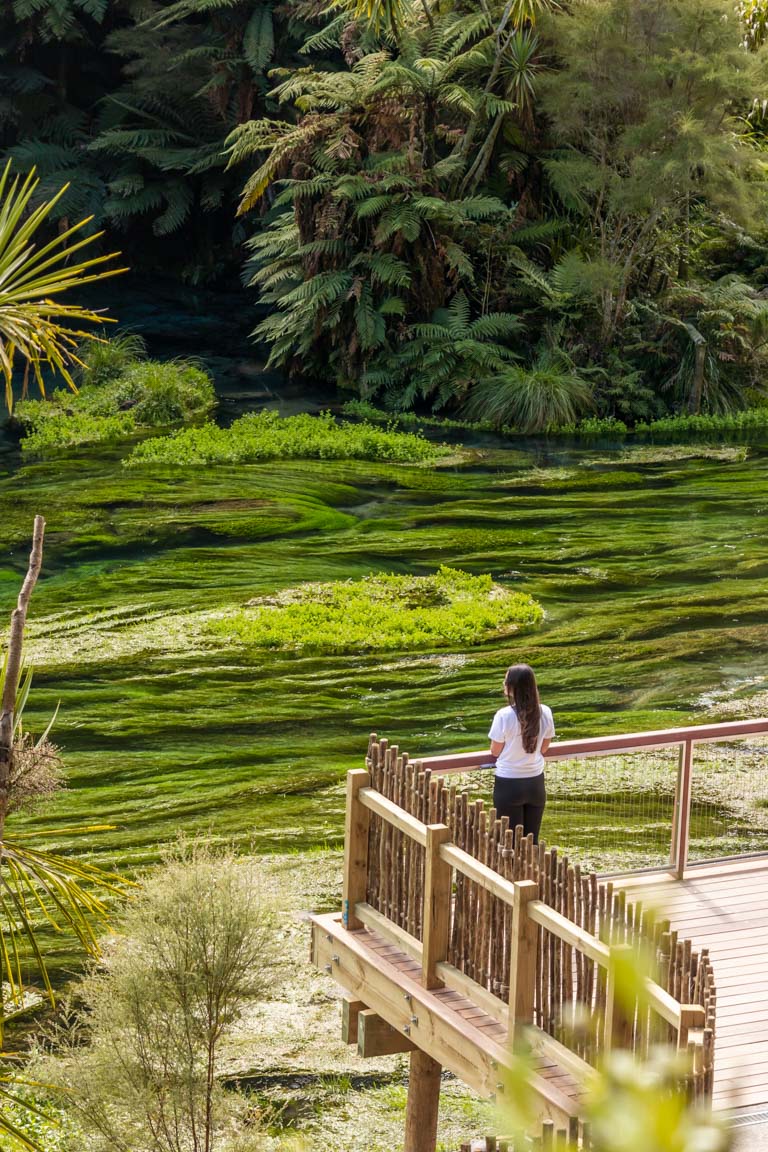


SUMMER (DECEMBER–FEBRUARY): PEAK SEASON FOR SUNSHINE AND ADVENTURE
Why it feels like the classic postcard:
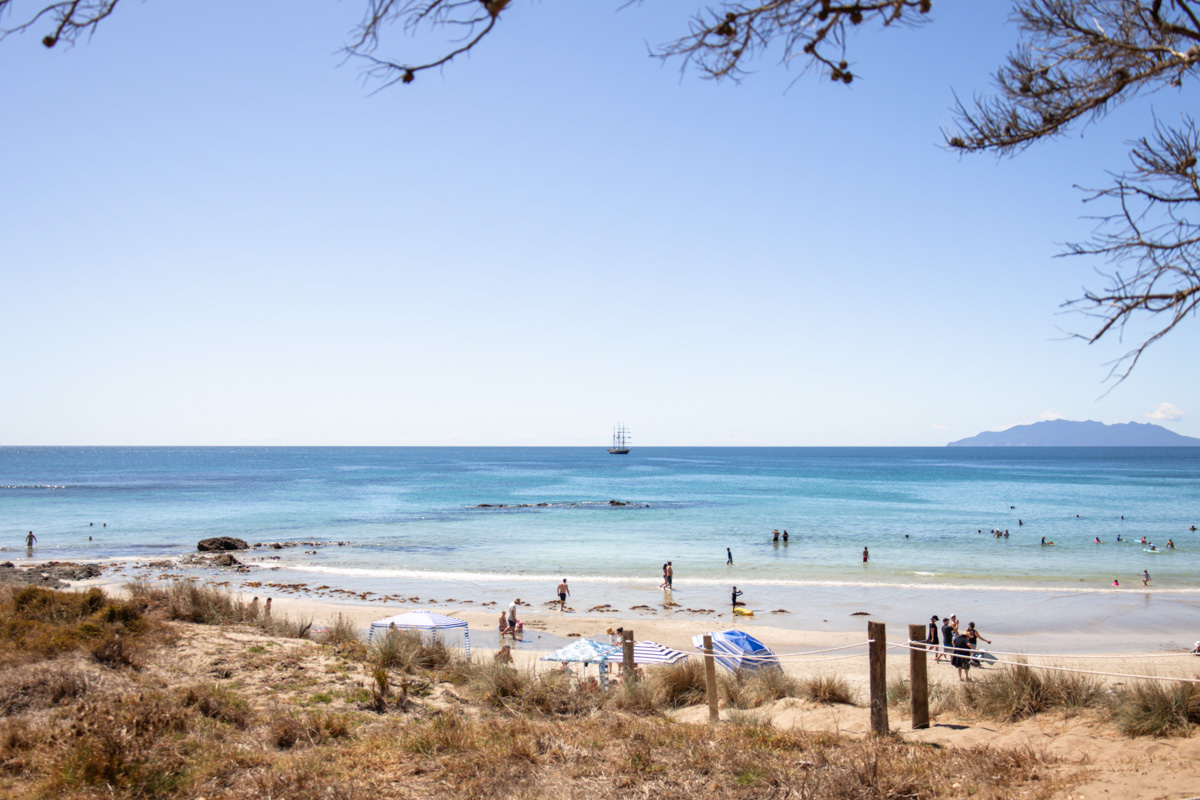
Summer is when New Zealand truly shines – literally. Days stretch up to 15 hours, everyone is out on adventures or doing their favourite activities and the beaches fill with locals making the most of every ray of sun.
Weather to Expect
- North Island: Warm, sunny, and occasionally humid. Usually accompanied with a fresh breeze.
- South Island: Slightly cooler but still beach-worthy. Some years the weather is better here than in the North Island.
- Daylight: Sunrise around 6am, sunset close to 9pm – perfect for those summer activities.
Top Experiences
- Hike the Tongariro Alpine Crossing under clear blue skies.
- Swim with dolphins in the Bay of Islands or snorkel the Poor Knights Islands.
- Sip Sauvignon Blanc during harvest festivals in Marlborough.
- Attend any of the numerous music festivals.
Pros
- Ideal for water sports, cycling trails, and long beach days.
- Whale watching peaks in Kaikōura.
- Berry season so help yourself to many fruit ice creams.
Cons
- Expect crowds, pretty much everywhere. It can get very busy this time of year, especially with school holidays extending from end of December to mid/end of January.
- Accommodation and car rentals book out months ahead.
- Flight prices soar around Christmas and New Year.
Best for: First-time visitors, families, and anyone who defines “holiday” as sun, sand, and adventure.
Summer is often considered the best time to visit New Zealand if you’re chasing classic Kiwi summer vibes. This is my favourite time of year, but I’m a summer person through and through. Personally, there’s just a certain ‘vibe’ to summer in New Zealand. It’s hard to describe, but there’s an energy you can’t replicate anywhere else.
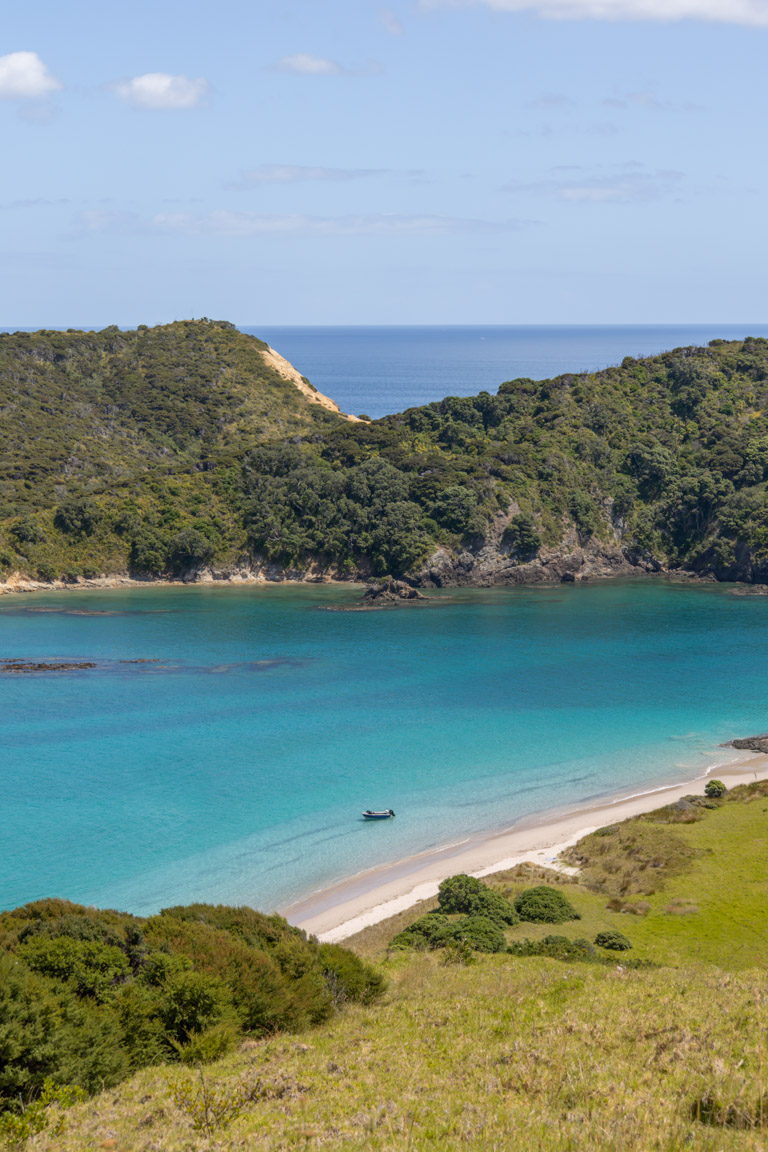
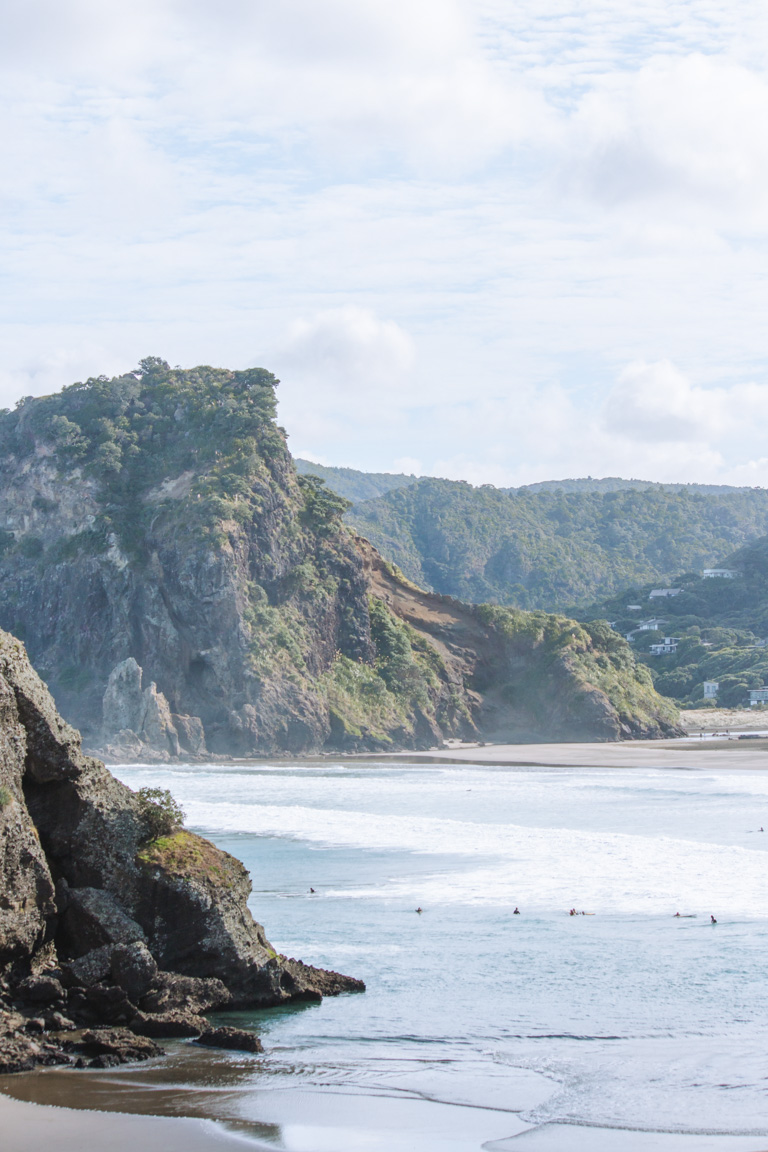
CHOOSING YOUR BEST TIME: PERSONALISED RECOMMENDATIONS
|
Traveller Type |
Ideal Season(s) |
Why |
|
Adventure & Outdoors |
Summer, end of Spring, start of Autumn |
These are when we have longer days, open trails and its so warm in summer that you’ll want to spend your time enjoying the beaches. |
|
Budget-Conscious |
Winter or Spring |
This is when New Zealand has the cheapest flights and accommodation. |
|
Wildlife |
Summer (dolphins), Winter (penguins), Spring (whales) |
Most of our wildlife is seasonal, so really depends on what wildlife you would like to see. |
|
Avoiding Crowds |
Winter or Spring |
This is the time when it’s much quieter, but the weather is very unpredictable. |
|
Photography |
Summer and Autumn |
My favourite time to be out and about. Autumn has beautiful light whereas summer, everything shines. |
Regional Weather Notes:
- North Island: Great for most of the year except for Winter. There is so much rain that if I didn’t live in Auckland, I’d avoid it all together. However, it is much warmer than the South. There is the occasion morning where we’ll dip to zero degrees (celsius) but it usually sticks above this.
- South Island: Definitely leans more into the ‘typical’ seasons. E.g. Winter is snow, Autumn and Spring and crisp but have beautiful foliage, flora and fauna, and summer is warm with loads of activities to choose from.
Pro Tips:
- New Zealand’s UV rays are fierce – sunscreen is essential, even in winter.
- Pack layers for all seasons; merino wool is a Kiwi favourite.
- Use Campermate for up-to-date campsite info.
- Both booking.com and AirBnB are reliable accommodation choices but if you’re up for something a little different, there is also Canopy Camping.
- To book any of the hikes, or to check all up to date information for hiking, and weather conditions, check out the Department of Conservation (DOC) website.
OTHER POSTS YOU MIGHT LIKE
FINAL VERDICT: THERE IS NO WRONG ANSWER
Ask ten Kiwis about the best time of year to visit New Zealand, and you’ll get ten different answers. One will swear by summer’s long evenings, another by winter in the South. The truth? Every season shows you a different side of this country. Match the weather to your wishlist, book a little earlier than you think you need to, and get make the most of our beautiful landscapes.
Whenever you visit, New Zealand’s magic will find you.
SUMMARY
In this post, we talked about the best time to visit New Zealand by exploring each season’s unique weather, top experiences, pros, cons, and personalised recommendations for different traveler types. Whether you’re after summer’s vibrant adventures, autumn’s golden hues, winter’s snowy coziness, or spring’s blooming renewal, this guide helps you pick the perfect timing for your Aotearoa journey. I hope it sparks your excitement for exploring this stunning country.
So, what season calls to you most? Drop your pick (or your favourite Kiwi memory) in the comments below. I’d love to hear.
If this has you planning your trip, browse my other New Zealand travel guides for more inspiration, or check out global travel destinations.
FAQs
Which is the best month to visit New Zealand?
There’s no one-size-fits-all answer, as it depends on your preferences for weather, crowds, and activities. For the warmest, sunniest conditions ideal for beaches and outdoor adventures, February stands out as the hottest month with reliable weather and fewer crowds post-holidays. If you prefer milder temps and shoulder-season perks like lower prices, aim for March (autumn) or November (spring). For snow sports, July in winter is prime. Overall, late January to early March offers the best balance for many visitors.
What is the cheapest time to visit New Zealand?
The most budget-friendly periods are winter (June–August) and the shoulder seasons (March–May or September–November), when flights, hotels, and tours can drop 20–50% compared to peak summer. Winter often sees the deepest discounts outside holiday periods, though popular spots like Queenstown remain pricier due to ski demand. Avoid December–February, especially around Christmas and New Year, when prices soar.
Where should I go for my first time in New Zealand?
For first-timers, focus on a mix of North and South Island highlights to capture the country’s diversity. Start in Auckland for urban vibes and nearby islands, then head to Rotorua for geothermal wonders and Maori culture. On the South Island, Queenstown is a must for adventure (bungee jumping, lakes), Milford Sound for fjord cruises, and Christchurch as a gateway to scenic drives. If time is limited, prioritise the South Island for epic landscapes like Aoraki/Mount Cook and the Milford Sound.
What is the rainy season in New Zealand?
New Zealand’s rainfall is highest in winter (June–August), especially in the North Island where it’s cooler and wetter overall. The northern and central regions see more winter rain, while the South Island’s West Coast is wet year-round but driest in summer. Spring (September–November) can bring unpredictable showers too. Pack layers and waterproof gear regardless of season, as weather changes quickly.
Do I need a visa to visit New Zealand?
Yes, but it depends on your nationality. Most need to apply for a NZeTA (New Zealand Electronic Travel Authority) online before arrival, plus pay the IVL (International Visitor Conservation and Tourism Levy). Check the official Immigration New Zealand website for your specific requirements, as rules can vary.
How long should I spend in New Zealand for a first trip?
Aim for at the very least 10–14 days to cover key highlights. For a deeper experience, 4-8 weeks allows time for road trips, hikes, and off-the-beaten-path spots. Shorter trips (7–10 days) work if focusing on one island, but factor in jet lag and internal travel.
What are the must-see attractions in New Zealand?
Top picks include Milford Sound for dramatic fjords, Rotorua for geysers and hot springs, Queenstown for adventure sports, Tongariro National Park for volcanic hikes, and the Bay of Islands or Coromandel for beaches and dolphin spotting. Don’t miss cultural sites or icons like Hobbiton, and natural wonders like Waitomo Glowworm Caves or Aoraki/Mount Cook.
Is New Zealand safe for tourists?
Yes, New Zealand is one of the safest countries for travellers, with low crime rates and friendly locals. Main risks are natural, like unpredictable weather, earthquakes, or road hazards (drive on the left). Follow outdoor safety guidelines, especially for hikes, and check alerts from the Department of Conservation.
What currency is used in New Zealand, and how should I handle money?
The New Zealand Dollar (NZD) is the currency. Cards are widely accepted, even in remote areas, but carry some cash for markets or small towns. ATMs are common, and tipping isn’t expected.
Top Travel Resources to Plan Your Next Trip
Finding the Best Flights
Skyscanner: A great platform for comparing flight prices across airlines and routes.
Omio: Perfect for comparing not just flights but also trains and buses, especially for European travel.
Booking Your Stay
Hostelworld: Ideal for those specifically looking to budget on their travels and seeking hostels, guesthouses, or shared accommodations.
Booking.com: With a massive selection of hotels, apartments, and unique stays, this platform additionally has deals for frequent travellers.
Trivago: A powerful search engine for comparing hotel prices across multiple booking sites to find the best deals for your stay.
Renting a Car
Europcar: Offers a wide range of vehicles for hire in New Zealand and worldwide, perfect for exploring at your own pace.
AVIS: A trusted car rental service with a variety of vehicles and locations, ideal for seamless travel adventures.
Travel Essentials & Gear
Amazon.com: Your one-stop shop for travel gear, gadgets, packing essentials, and last-minute trip must-haves.
Discovering Amazing Activities
GetYourGuide: My go-to for booking tours, tickets, and activities in New Zealand and worldwide.
Everything New Zealand: A must for anyone traveling to New Zealand. This platform offers a curated selection of tours, activities, and adventures to make your Kiwi trip epic.
G Adventures: For small-group tours with a focus on sustainable and authentic travel, G Adventures is unbeatable.
Capturing Your Memories
MILK Books: Create stunning photo books to preserve your travel memories. Expect high-quality prints and customisable designs.
These links are affiliate links. If you book through them, I earn a small commission at no extra cost to you. Your support helps me keep sharing guides like this. Thanks for helping fuel the next adventure!
LATEST FROM THE BLOG
LIKE THIS POST? PIN IT HERE
A SNAPSHOT OF THE BEST TIME OF YEAR TO VISIT NEW ZEALAND & WHAT TO EXPECT IN EACH SEASON
Best Time to Visit New Zealand: Dec–Feb (summer) for warm adventures; Mar–May (autumn) for golden foliage; Jun–Aug (winter) for snow sports; Sep–Nov (spring) for cherry blossoms, fauna and flora.
Top Summer Spots (Dec–Feb): Auckland, Queenstown, Bay of Islands, Northland, Coromandel, Nelson
Best Autumn Spots (Mar–May): Hawke’s Bay, Central Otago, Routeburn Track hikes.
Top Winter Spots (Jun–Aug): Queenstown ski fields (Cardrona, Coronet Peak), Rotorua, Mt Ruapehu.
Best Spring Spots (Sep–Nov): Kaikōura, Hobbiton.
Cheapest Months: June–August (winter) & March–May / September–November (shoulder).
Rainiest Season: North Island winter (Jun–Aug); West Coast wet year-round.
Must-Know Tips: Pack layers like merino and waterproof jacket. Apply for NZeTA online 72 h before arrival. Drive on the LEFT. UV extreme year-round. Book summer accommodation months ahead.