Tips for your first visit to New Zealand can make all the difference between a good trip and an unforgettable one. As a local, I’m genuinely stoked you’re coming. This country is ridiculously beautiful, but it can be a little quirky if it’s your first time here. Think sheep traffic jams, one-lane bridges, and weather that can’t decide if it’s summer or winter.
This guide is part practical advice, part insider scoop. From driving tips to cultural insights, you’ll learn how to explore like a Kiwi, avoid rookie mistakes, and get the absolute most out of your trip.
So, lets get into tips for your first visit to New Zealand, in hopes that they help you travel smarter, stress less, and enjoy every moment.
This post may contain affiliate links. Your purchase through these links supports me with a commission, at no added expense to you.
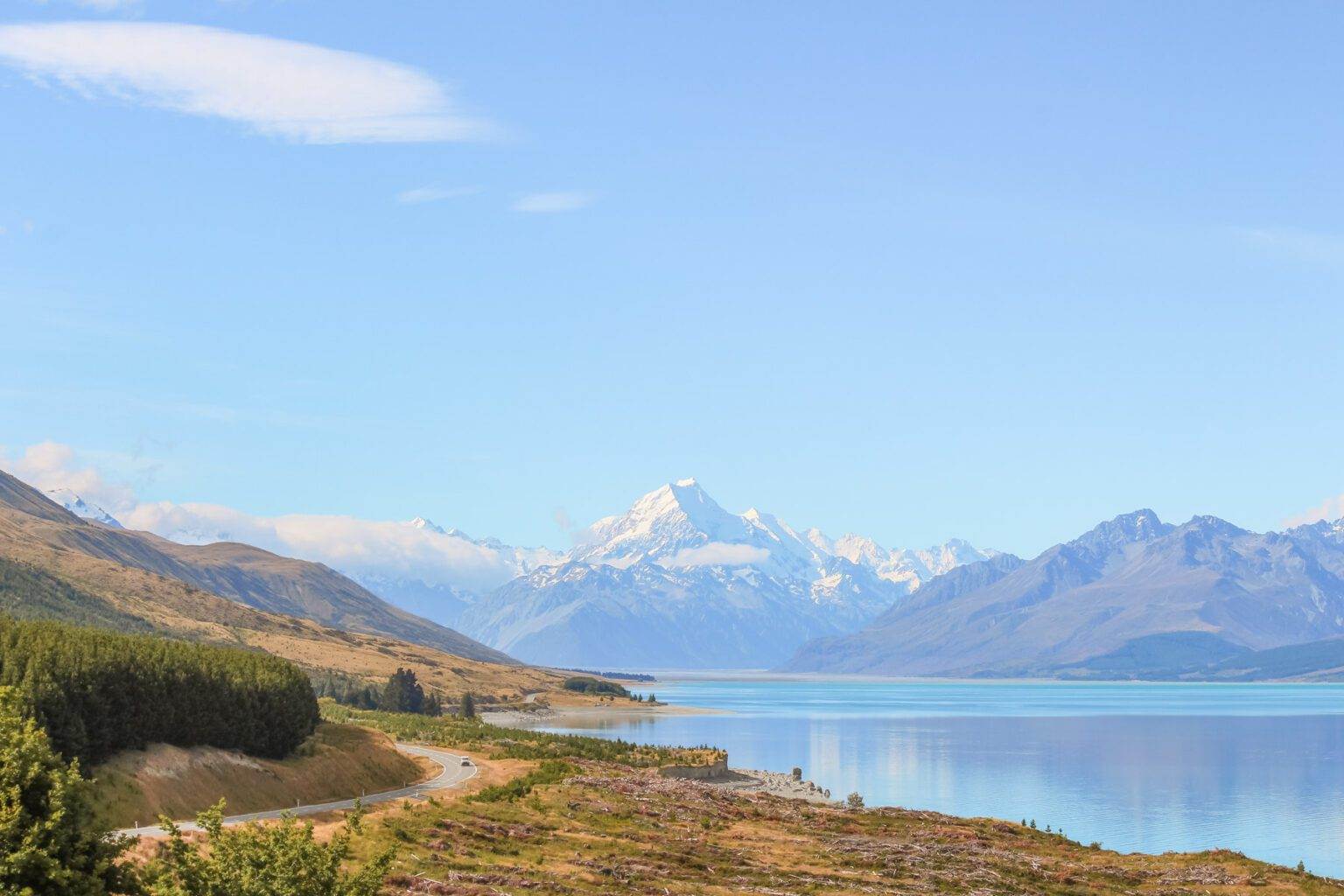
TIP 1: EMBRACE THE LEFT-SIDE DRIVE (AND TAKE YOUR TIME)
For anyone looking for tips for your first visit to New Zealand, mastering the roads is one of the biggest adjustments. If you’re travelling to New Zealand from somewhere like the USA, driving on the left takes a bit of rewiring at first. Especially when it comes to winding roads, potholes and probably a few less lanes than what you’re used to. You’ll also find that when travelling outside of the cities, gravel roads, narrow roads and tight corners are quite frequent.
As I say to most travellers, give yourself more time than Google Maps suggests. That two-hour drive will easily become three once you factor in weather, breaks and traffic.
And here’s a local tip: if there are multiple lanes, keep to the left (just like how to you keep to the right at home) so others can pass. Also, when cars stack up behind you, use the pull-off bays to let them by. It’s not just polite – it keeps everyone safer. Kiwis, and especially those that live in the cities, aren’t the best of drivers and can be impatient when they want to be.
Lastly, one-lane bridges are common, and there are clear signs telling you who has right of way, so take a second to check before crossing. Otherwise be prepared to get honked at.
If you’re feeling nervous, find a quiet car park for a practice lap before heading out, and drive when it’s not peak hour traffic. Getting comfortable before you hit the main roads will let you enjoy the drive rather than stress about it.
Prefer not to drive? InterCity buses can get you between major towns, and the Interislander ferry between the islands is a mini scenic cruise in itself (if the weather is good). There are also dedicated tours through reliable companies like GetYourGuide, if that’s more in line with how you’d like to spend your vacation. But if you’re spending time in and around cities like Auckland, Uber is generally cheaper and more reliable than taxis for shorter distances.
TIP 2: VISIT IN MARCH OR APRIL FOR THE SWEET SPOT
One of my top tips for your first visit to New Zealand is to choose a time that hits that sweet spot. Our seasons run opposite to the Northern Hemisphere. Summer (December–February) is sunny and warm, but school holidays mean crowds and higher prices. March and April are absolute magic – they’re my favourite months. Warm days, fewer tourists, and slightly cheaper accommodation. This is what I would consider a sweet spot for travelling New Zealand.
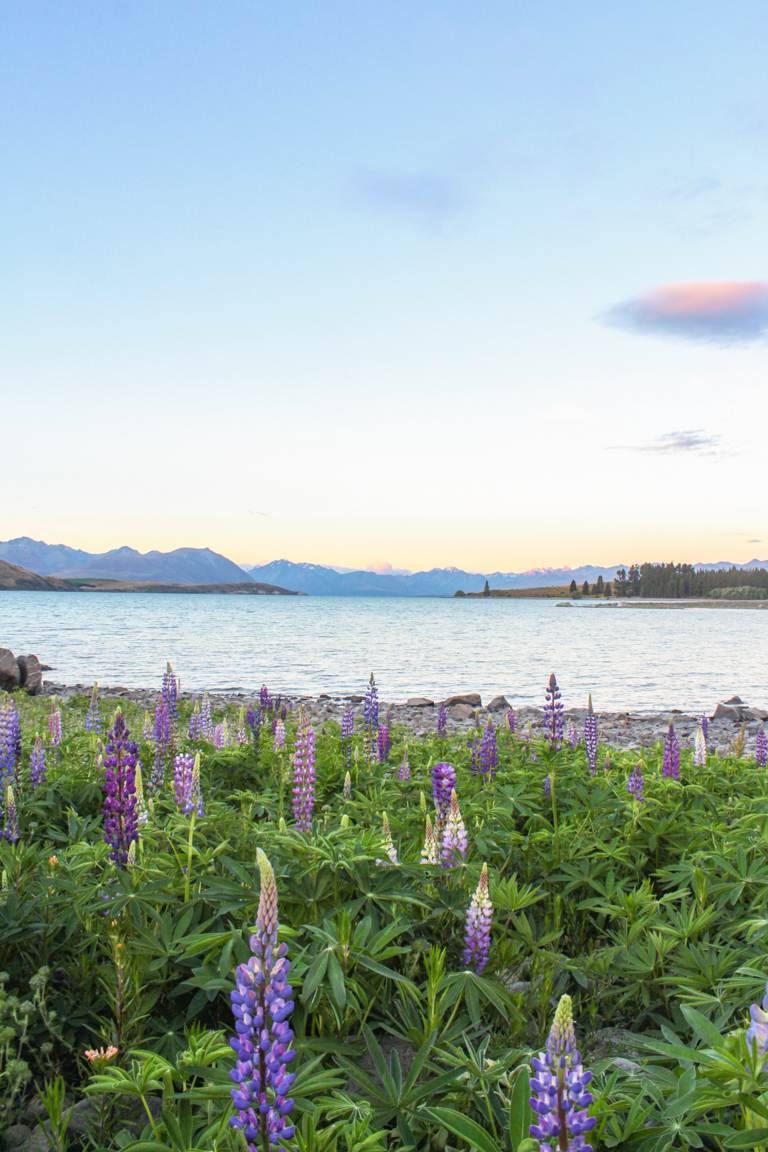
Additionally, if you are a little less fussy, Spring is great if you want to see snowy peaks with blooming landscapes, though you can still expect some unpredictable weather. Lupins (those Instagram-famous pink and purple flowers) don’t bloom until late November. Winter is crisp, quiet, and perfect for skiing in the South (we don’t get much snow in the North and rain is quite prominent), but be wary of road closures. And lastly, it’s a given that summer in New Zealand is incredible, especially with the all-round activities that we have available, so if I were to choose, even with it being busier, summer would be my choice.
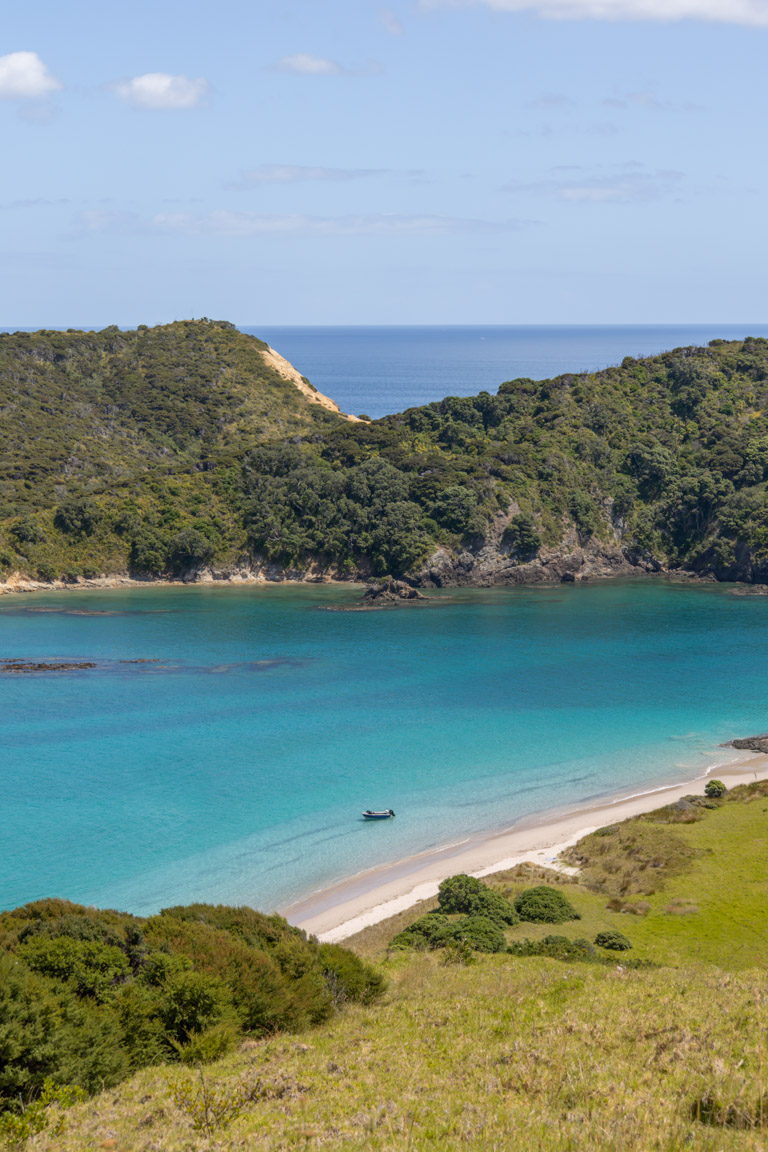
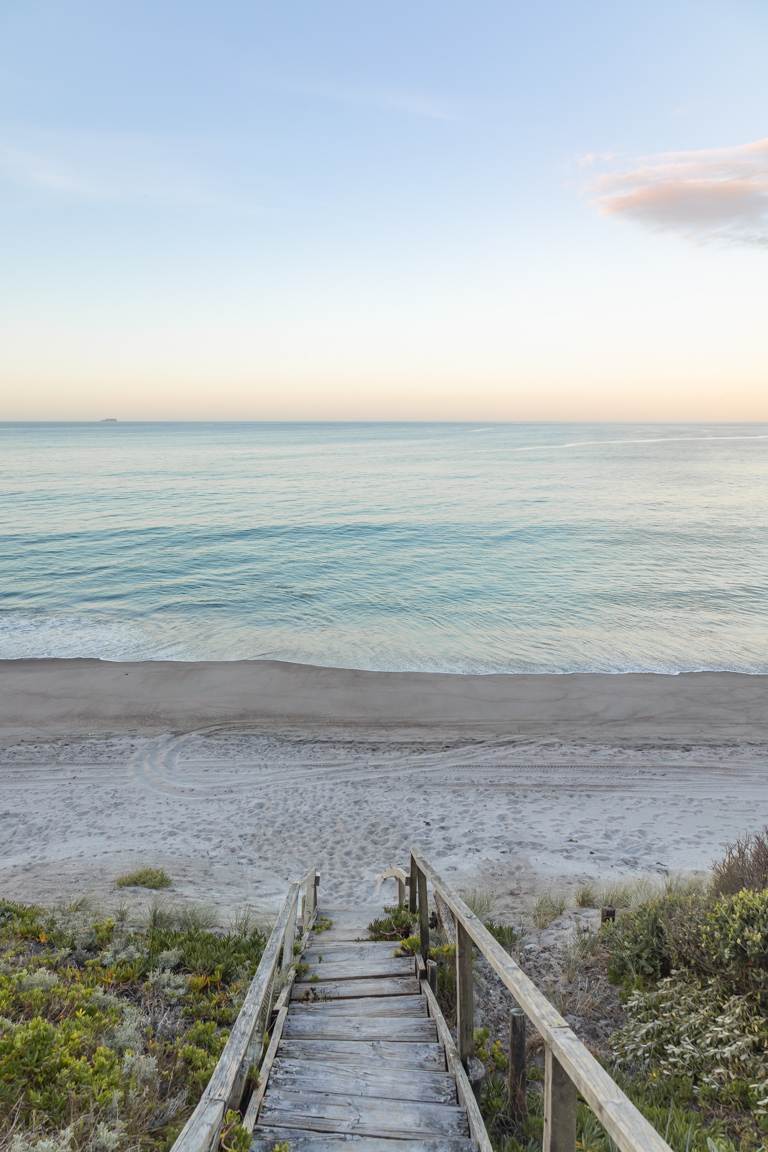
TIP 3: PACK FOR FOUR SEASONS IN A DAY
You might get sunshine, wind, and rain in the same afternoon here so make sure to pack light, breathable layers. Merino wool is a Kiwi favourite, plus a good rain jacket and sturdy shoes if you’re hiking. This is especially true in the quieter seasons. The warmer, more stable months (January to the start of April) are much more reliable for warmer weather.
Speaking of warmer weather – sunscreen is a must. SPF 30 at a minimum, 50+ ideally and apply it more often than you think. Our sun is brutal thanks to a thinner ozone layer.
Also make sure to pack insect repellent for sandflies – those tiny vampires are relentless. And don’t forget to declare all food and clean your hiking boots before you fly. Biosecurity is a big deal here, and the fines aren’t cheap.
TIP 4: BUDGET LIKE A LOCAL
As a part of tips for your first visit to New Zealand, I have to say that this little country of ours isn’t cheap, but you can stretch your budget if you plan well. Fuel prices hover around $2.20-$3.00 NZD per litre so make sure to consider this if you plan to road trip your way through NZ. PAK’nSAVE is definitely the cheapest option when it comes to groceries and skip tipping. Unless you’ve had an amazing meal at a really nice restaurant, it’s always nice to give a tip but otherwise it’s not really a part of the culture here.
Eating out, like anywhere else can be expensive so if you’re on a budget having cooking facilities will help you save. Many hostels and holiday parks have communal kitchens, which saves cash if you’d like those savings to go on splurges like a heli-hike or wine tour.
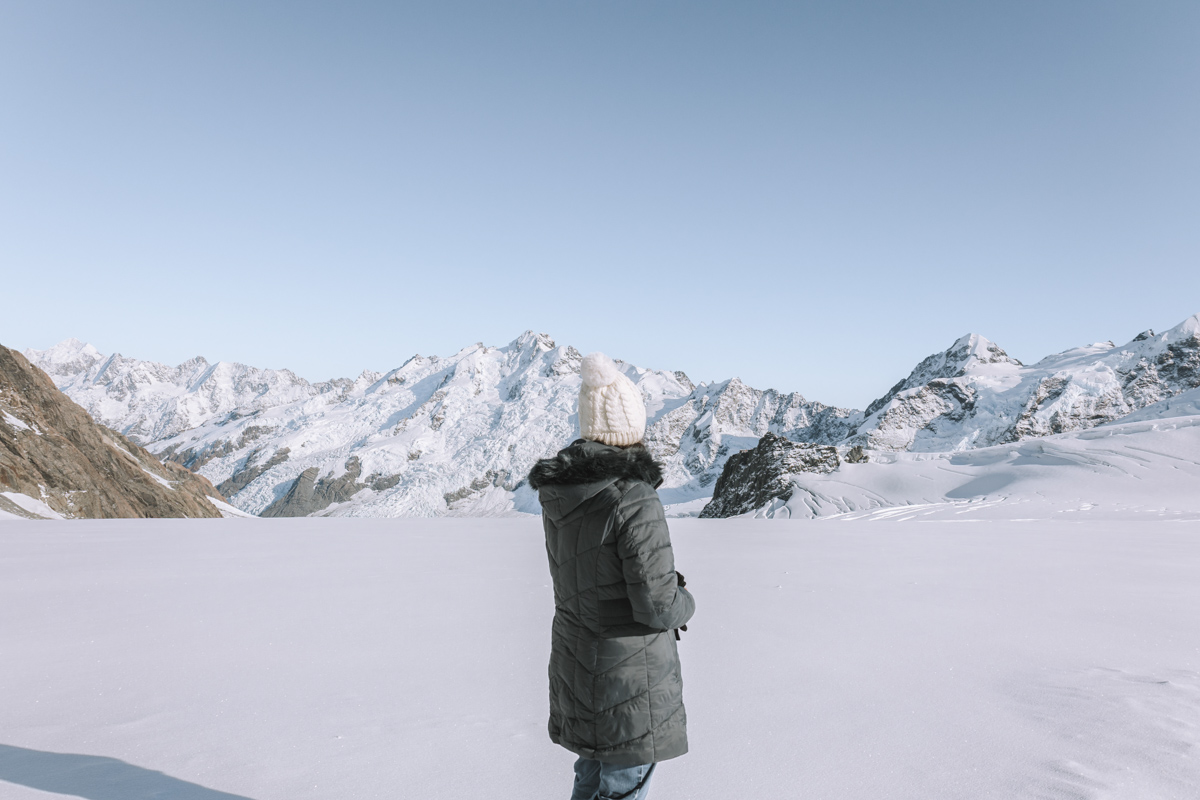
In terms of booking activities, GrabOne has some great deals. I’ve used them in the past (one of them being for the heli -tour, you can see a photo of below) and have been really happy with the experience. GetYourGuide is also a favourite of mine for seeing what activities are available, alongside the cost. Most of these are local businesses too, which is also really nice to support.
TIP 5: LEARN SOME KIWI LINGO
We’re a friendly bunch, and a little effort goes a long way. Start with “Kia Ora” which means “Hello” in Maori, our native language. You may also hear words like “whānau” which means family or “Ka pai” which means well done. If you’d like to immerse yourself in our culture, visiting a marae (Māori meeting ground) or joining a cultural tour can deepen your appreciation of our traditions and you’ll learn much more about the language too.
In terms of English slang you may hear “sweet as” which mean means great, and “bro” is a term for friend. “Heaps” means a lot and “Keen” is excited or happy.
We also have some strange alternative language for everyday items. “Togs” are swimwear, “dairy” is a corner store, “jandals” are flip-flops and a “chilly bin” is a cooler or “esky” (as they call it in Aussie).
Even though it’s not a must to know these, it’s definitely one of the tips for your first visit to New Zealand that will help when chatting with the locals.
TIP 6: DON’T TRY TO DO IT ALL
New Zealand looks small on a map, but there’s a lot of ground to cover. If you only have two weeks, resist the urge to see both islands. You’ll spend your trip rushing and miss the good stuff.
The North Island is all about geothermal wonders, beaches, and Māori culture. The South Island is mountains, lakes, and jaw-dropping landscapes. Pick one and explore deeply.
If you have longer, a month, or even better, 6+ weeks lets you see both islands without feeling rushed.
TIP 7: BOOK ACCOMMODATION EARLY
For anyone looking for tips for your first visit to New Zealand, I always say to make sure to book accommodation early, especially in peak season. Accommodation in hotspots like Queenstown, Taupō, Wānaka, and Rotorua can sell out months in advance. So if you want your pick of stays, especially if you’re travelling over Christmas or New Year and you’ve got your heart set on a certain hotel, Airbnb, or lodge, book it as soon as your travel dates are locked in.
And don’t be afraid to mix things up! New Zealand has everything from luxury lodges with mountain views to quirky glamping domes under the stars. But for the budget traveller? Top 10 Holiday Parks and DOC campgrounds are excellent options. They’re affordable, clean, and often set in spectacular locations you’d never expect for the price.
Camping is also a big part of Kiwi summer culture. If you’re road-tripping, you’ll find plenty of powered sites for campervans or cozy tent spots (often with hot showers). Download apps like CamperMate or Rankers Camping NZ to find the best campgrounds and freedom camping spots – they’re great to find out what’s available and for amenities.
TIP 8: GET OUT ON THE WATER
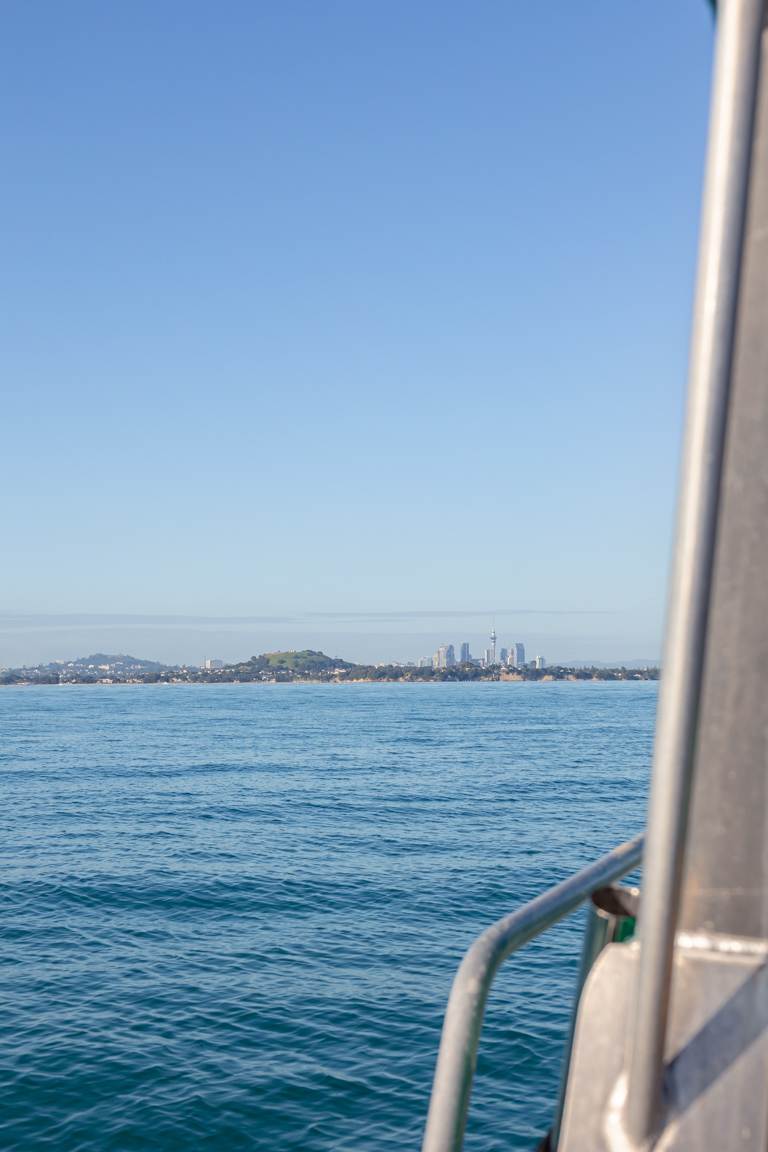
Some of the best views here are from the water. Take a ferry across Wellington Harbour, kayak in Abel Tasman, or join a Milford Sound cruise.
Even if you’re not a ‘boat person,’ getting on the water gives you a totally different perspective on the landscape and often on the wildlife, too. Dolphins, seals, and penguins are common sightings.
TIP 9: TRY THE LOCAL FOOD AND WINE
Eat your way through the country. It’s honestly half the fun. Try fish and chips on the beach, grab a mince and cheese pie from a local bakery, and don’t miss out on the real fruit ice cream. We also have a great collection of incredible restaurants and wineries. If you are a wine lover, make sure to add Marlborough for sauvignon blanc or Central Otago for pinot noir. And if you’re into craft beer or coffee, Wellington is packed with excellent breweries and cafes.
TIP 10: TAKE TIME TO UNPLUG
New Zealand is perfect for a digital detox. Cell service can be patchy in certain parts of the country, and Wi-Fi isn’t always fast. A perfect excuse to put your phone down and just soak it all in.
BONUS TIP: MAKE A BUCKET LIST
As a bonus tip for your first visit to New Zealand, there are many great ways to experience this country, but even though we’re small it’s easy to get carried away with how much you can comfortably do. However if you create a bucket list, it really will help you figure out your order of priorities.
If you’re visiting in summer, check out my Unmissable New Zealand Summer Bucket List Experiences. It’s packed with ideas to get you started, from lake swims and coastal hikes to starry nights and wine-tasting days. You can pick a few to add to your trip or go all-in and make it a challenge to tick them all off.
SUMMARY
In this post, we’ve shared 10 Tips for Your First Visit to New Zealand to help you plan with confidence.
From navigating one-lane bridges to timing your trip for the best weather, these tips will keep you one step ahead. Whether you’re road-tripping, hiking, or tasting your way through the country, you’re set for an unforgettable Kiwi adventure.
Want more travel inspiration? Dive into my guides to New Zealand’s ultimate destinations or feel free to browse even more adventures in my comprehensive travel guides.
FAQ’s:
These are some of questions travellers ask when planning their first trip. They pair perfectly with the tips for your first visit to New Zealand we’ve just covered, giving you even more travel information about NZ:
ARE NEW ZEALAND ROADS DANGEROUS?
Not inherently, but they do take some getting used to if you’re coming from overseas. Roads here are narrower, often winding, and you’ll be sharing them with camper vans, cyclists, and the occasional sheep. The biggest hazards are speeding, fatigue, and underestimating travel times. Take it slow, stick to the speed limits, and use pull-over bays to let faster cars pass.
WHAT IS NEW ZEALAND’S CURRENCY?
We use the New Zealand Dollar (NZD). Most places accept credit cards (Visa and Mastercard are the most common), and contactless payment is everywhere. ATMs are easy to find in towns and cities, and tipping isn’t required.
DO YOU NEED A VISA TO GET INTO NEW ZEALAND?
It depends on your passport. Many visitors can enter visa-free for up to 90 days, but most will need an NZeTA (New Zealand Electronic Travel Authority) before arriving. You can apply online or via the official app. It’s quick and inexpensive, but do it at least 72 hours before your flight.
WHERE IS NEW ZEALAND LOCATED?
New Zealand sits in the South Pacific Ocean, about 2,000km southeast of Australia. It’s made up of two main islands–the North Island and the South Island plus other smaller islands.
WHAT ARE SOME NEW ZEALAND TRAVEL ESSENTIALS?
Layers are key (especially a light raincoat) so pack for all weather. Add SPF 50+ sunscreen, insect repellent, a reusable water bottle, a power adapter (NZ uses Type I plugs, same as Australia), and good shoes for exploring. If you’re driving, make sure to get your international drivers license, as well as downloading offline maps before you hit rural areas as reception can be patchy.
Top Travel Resources to Plan Your Next Trip
Finding the Best Flights
Skyscanner: A great platform for comparing flight prices across airlines and routes.
Omio: Perfect for comparing not just flights but also trains and buses, especially for European travel.
Booking Your Stay
Hostelworld: Ideal for budget travellers seeking hostels, guesthouses, or shared accommodations.
Booking.com: With a massive selection of hotels, apartments, and unique stays, this platform often has deals for frequent travellers.
Discovering Amazing Activities
GetYourGuide: My go-to for booking tours, tickets, and activities worldwide.
Everything New Zealand: A must for anyone traveling to New Zealand. This platform offers a curated selection of tours, activities, and adventures to make your Kiwi trip epic.
G Adventures: For small-group tours with a focus on sustainable and authentic travel, G Adventures is unbeatable.
Capturing Your Memories
MILK Books: Create stunning photo books to preserve your travel memories. Expect high-quality prints and customisable designs.
These links are affiliate links. If you book through them, I earn a small commission at no extra cost to you. Your support helps me keep sharing guides like this. Thanks for helping fuel the next adventure!